


TL;DR:
- Kabengo! Games, a four-person studio near Bordeaux, France, is developing Adur: Desagertzea, a Basque-voiced 2.5D cinematic platformer.
- The team chose Character Creator 5 (CC5) and ActorMixer PRO over photorealistic tools to achieve a distinct “puppet diorama” art direction with custom shaders and morphs.
- Using iClone LIVE LINK inside Unreal Engine 5, the team tests poses and real-time animation directly in lighting environments powered by Lumen, Nanite, and RTX raytracing.
- Learn how real-time 3D tools empower small indie teams to preserve full artistic direction while drastically cutting iteration times.
This Reallusion Pitch & Produce program showcase examines how French indie developer Kabengo! Games uses Reallusion Character Creator 5 and iClone 8 alongside Unreal Engine 5 to produce their upcoming title, Adur: Desagertzea.
By combining CC5’s morph layer system with iClone Unreal LIVE LINK, a four-person studio achieves near-final cinematic rendering and rapid animation iteration without relying on Generative AI automation.
“I turned to Character Creator as I had been using it for a couple of years, for other various projects… and knowing its powerful features for creative efficiency. Some features I was expecting to have my hands on really impressed me, particularly ActorMixer, that we used to achieve our specific body and face proportions.”
Paul Puaux – Creative / Artistic Director at Kabengo! Games

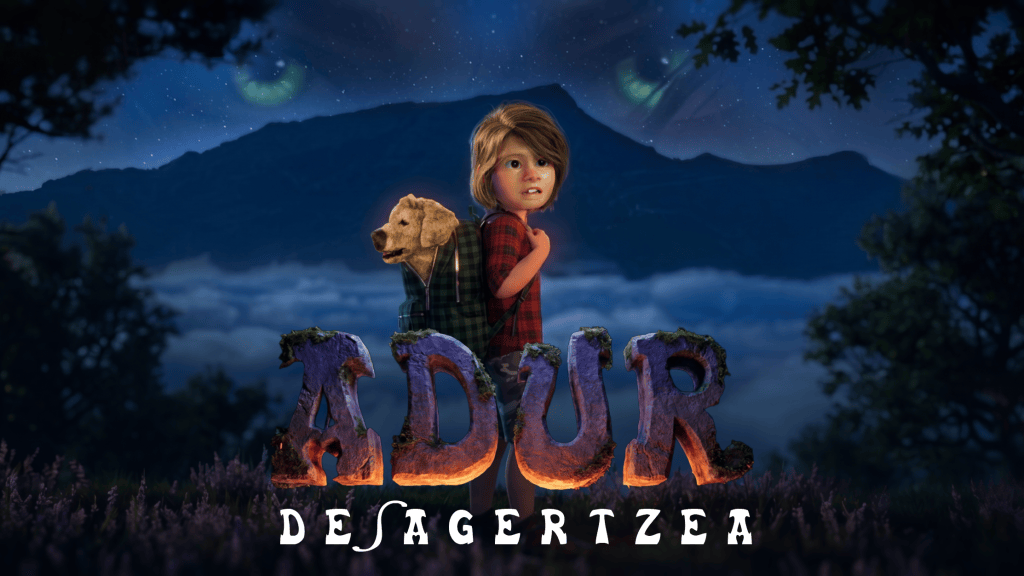
Featured Artist Spotlight: Kabengo! Games
For indie game developers, capturing a distinctive visual identity while maintaining production momentum is an ongoing balance. Kabengo! Games, a four-person indie studio based near Bordeaux in southwestern France, addresses this challenge directly in their debut title, Adur: Desagertzea (“Adur: The Disappearance”).

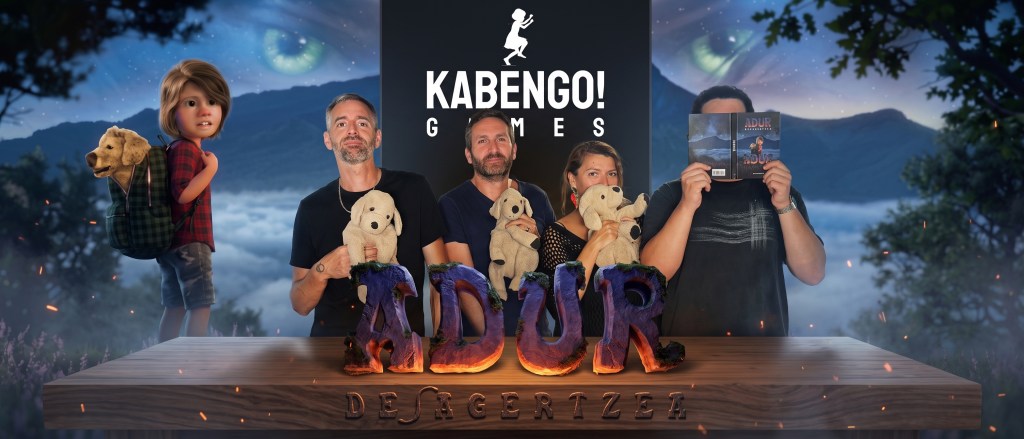


Founded by Creative and Artistic Director Paul Puaux, Narrative Lead Myriam Gallo, Composer Rémi Lonca, and a senior technical supervisor, Kabengo! Games sets out to craft atmospheric 2.5D adventure games that bridge regional heritage with modern real-time technology. Adur: Desagertzea is a cinematic platformer deeply rooted in Basque mythology, voiced in Euskera (the Basque language), and inspired by 1990s narrative classics like Another World, Flashback, and Heart of Darkness.
To achieve their specific visual goals—a balance halfway between realistic detail and a stylized “puppet diorama”—Paul turned to Character Creator 5 and iClone 8 connected via Unreal Auto Setup and LIVE LINK to Unreal Engine 5.
- Studio Name: Kabengo! Games
- Location: Southwestern France (near Bordeaux)
- Key Team Members: Paul Puaux (Creative & Artistic Director), Myriam Gallo (Narrative Lead), Rémi Lonca (Composer), Senior Technical Supervisor.
- Debut Project: Adur: Desagertzea (Cinematic 2.5D Platformer)
- Digital Footprint & Official Channels:
- Website: www.kabengo.games
- YouTube: Kabengo! Games on YouTube
- Instagram: @kabengogames
- Facebook: Kabengo! Games Facebook Page

Technical Pipeline Overview
| Pipeline Stage | Primary Software & Plugins | Key Technical Function / Benefit |
| Character Creation & Morphing | Character Creator 5 (CC5), ActorMixer | Blends body/facial proportions to achieve stylized “puppet diorama” silhouettes. |
| Shading & Texturing | CC5 Shader Engine, Overdriven SSS, SkinGen | Combines clay shaders, dynamic pores, wrinkles, and custom stencils in UE5. |
| Animation & Motion Editing | iClone 8, Motion Layer Timeline, AccuFACE | Parametric facial expressions, procedural IK/FK switching, and motion editing. |
| Real-Time Integration | iClone Live Link, Reallusion Auto Setup for UE5 | Streams poses and animations instantly into Unreal Engine 5 Sequencer. |
| World Building & Rendering | Unreal Engine 5, Lumen, Nanite, RTX/DLSS | Real-time global illumination, high-poly geometry rendering, and cinematic post-processing. |
Pitch & Produce Interview: Paul Puaux on Adur: Desagertzea
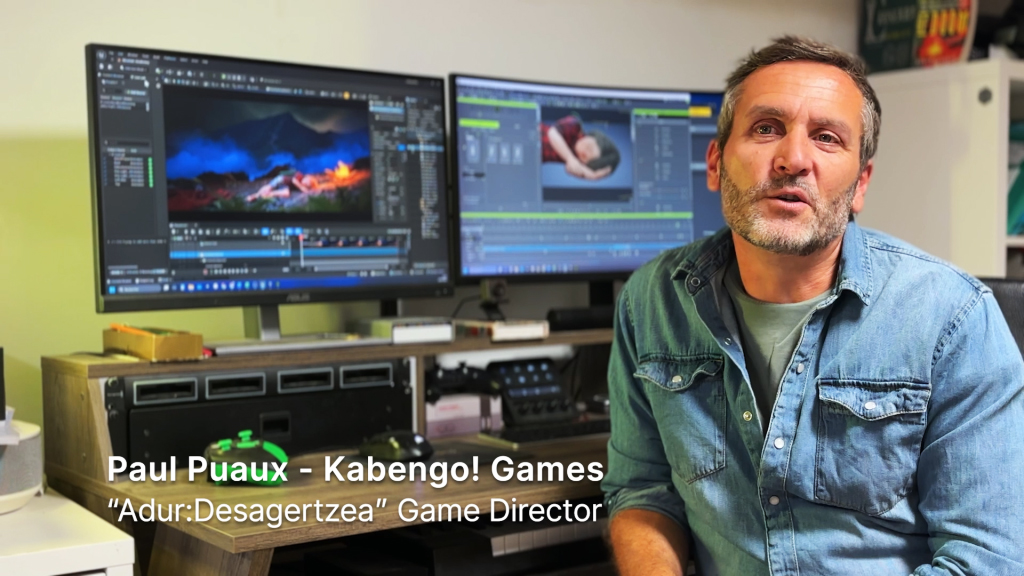
Q1: What inspired Adur: Desagertzea, and how does blending 2.5D exploration mechanics help you showcase Basque traditions and language?
Paul Puaux: The basic idea behind Adur: Desagertzea stems from a family anecdote in which my son nearly ran away from home one evening whilst my wife and I were gone on a night out. Gradually, the idea of turning this scenario into a game took shape.
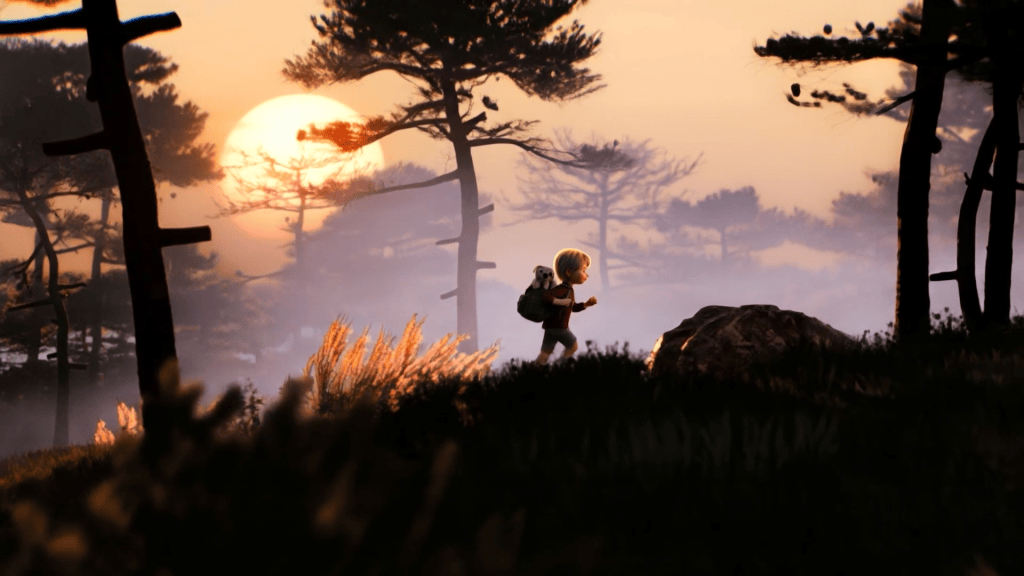

Together with the team, we mixed and remixed the idea until it incorporated the story of our hero Adur and his grandfather Aitatxi into Basque history and mythology, set in the region where we grew up.


The team shares many common references from 1990s narrative platformers—Another World, Flashback, Heart of Darkness—and modern successors like Inside and Little Nightmares. 2D/2.5D allows us to weave narrative and gameplay together into a cinematic tapestry where the player is the hero. Basque mythology and language are cultural isolates. This oral tradition enables us to create a world blending the ancestral and the modern—from small fishing villages to ancient forges, mountains, and the ocean.

“2D/2.5D is an incredibly creative medium because it allows us both to speak directly and explicitly to the imaginations and fears of players of all ages, and to weave narrative and gameplay together into a cinematic tapestry.”
Paul Puaux – Creative / Artistic Director at Kabengo! Games
Q2: For Adur, you needed a specific “puppet diorama” aesthetic. Why did you choose Character Creator over photorealistic options like MetaHuman Creator?
Paul Puaux: We realized early on that the storyline would be hard to build without a strong connection to our characters. The emotion they convey is essential for gameplay and cinematics. It was a no-brainer that we needed a flexible pipeline to experiment with their physical presence.

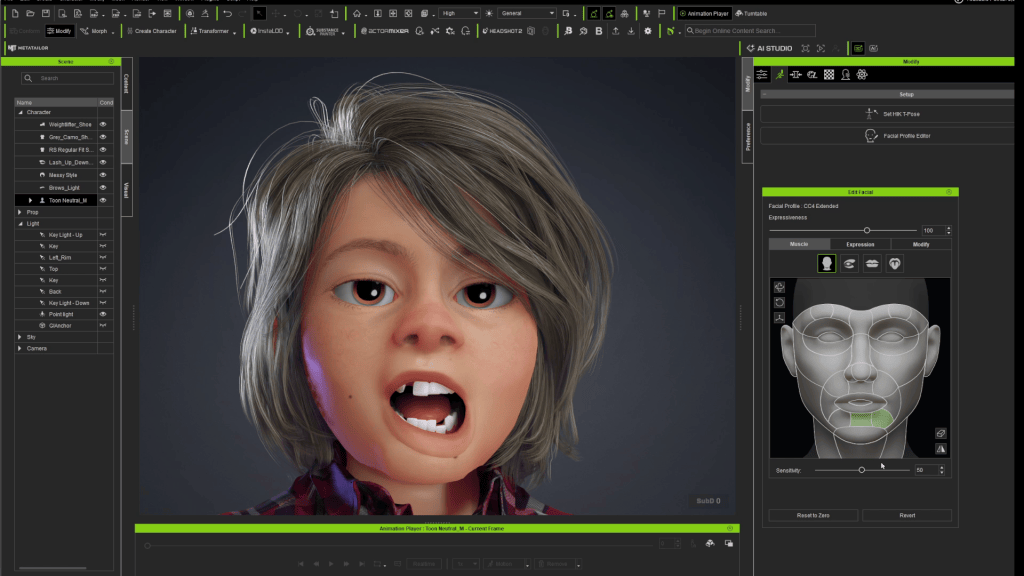
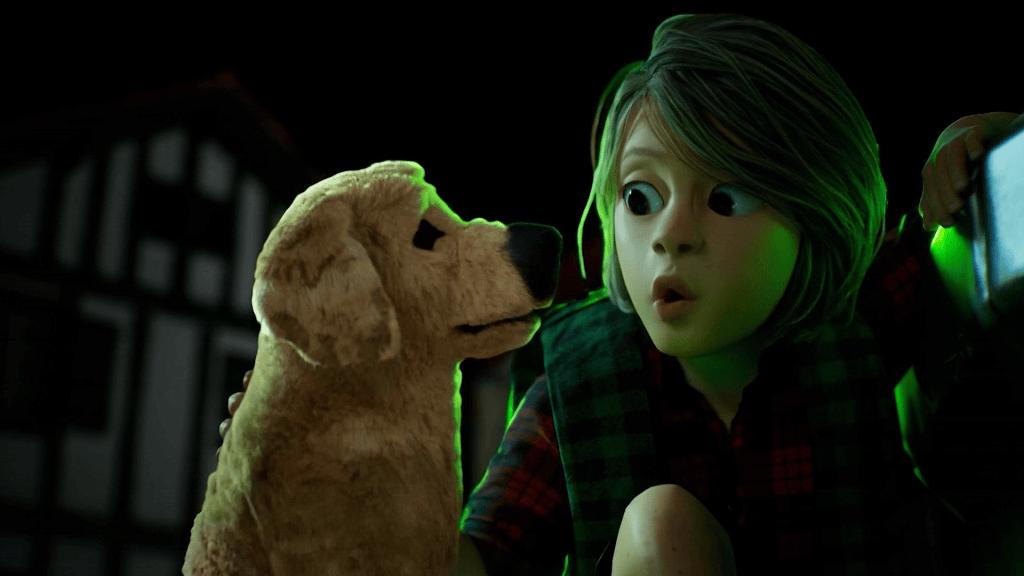
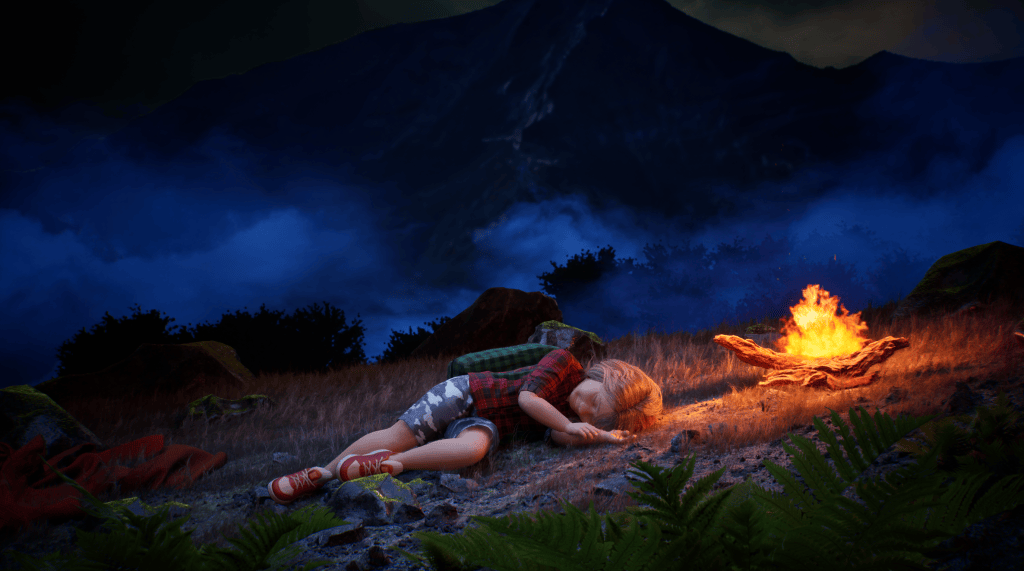
I turned to Character Creator, having used it for years across various projects. Moving to CC5 brought features like ActorMixer, which we used to achieve our specific body and face proportions. Features like overdriven Subsurface Scattering (SSS), realistic wrinkles, pores, scars, and freckles mixed with clay shaders are now regular parts of our design process.
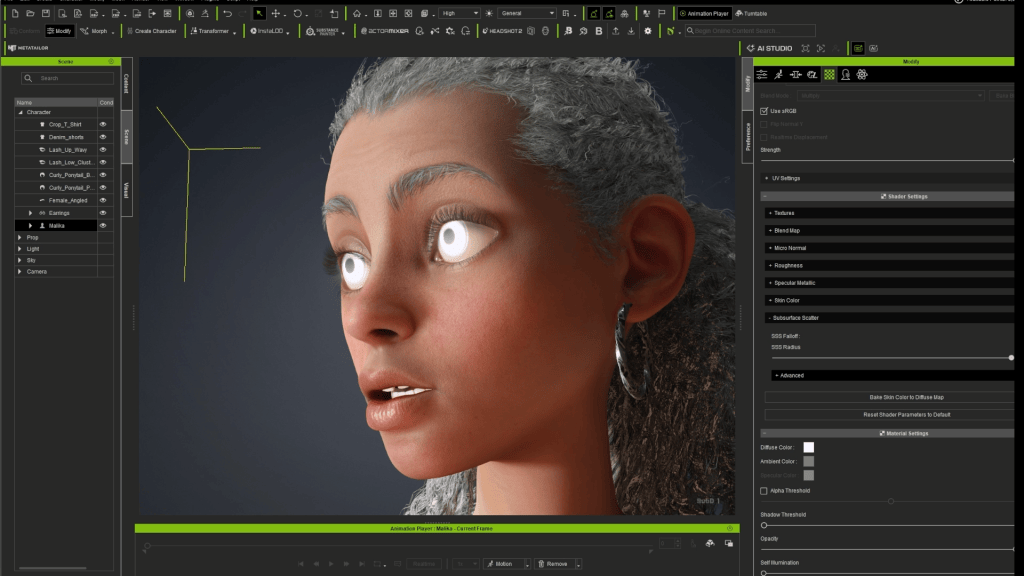
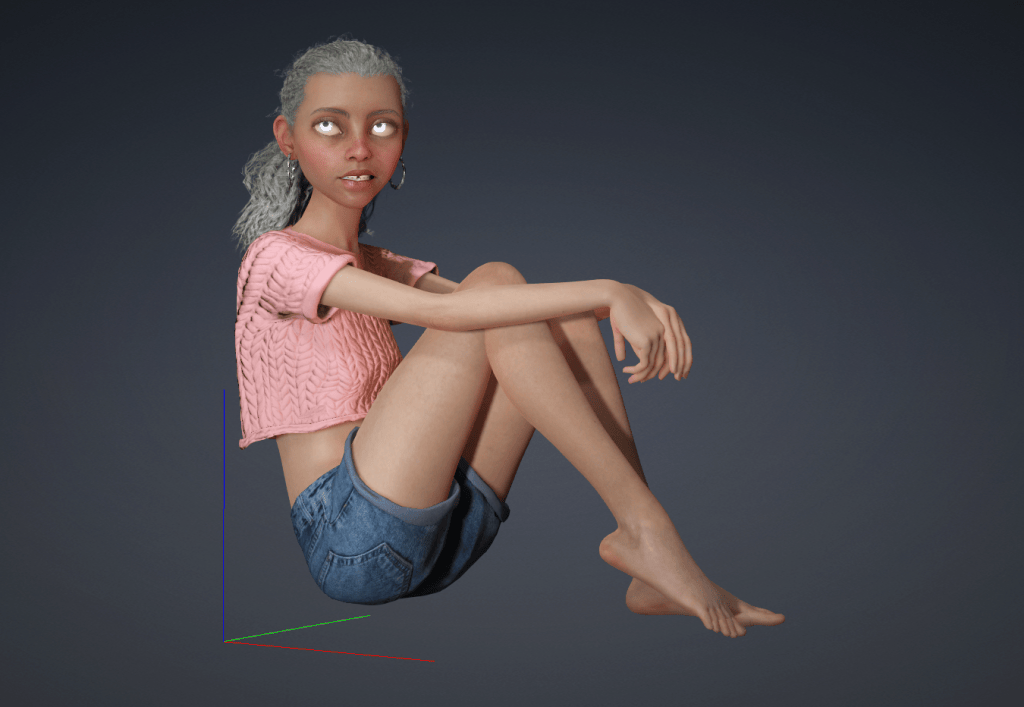
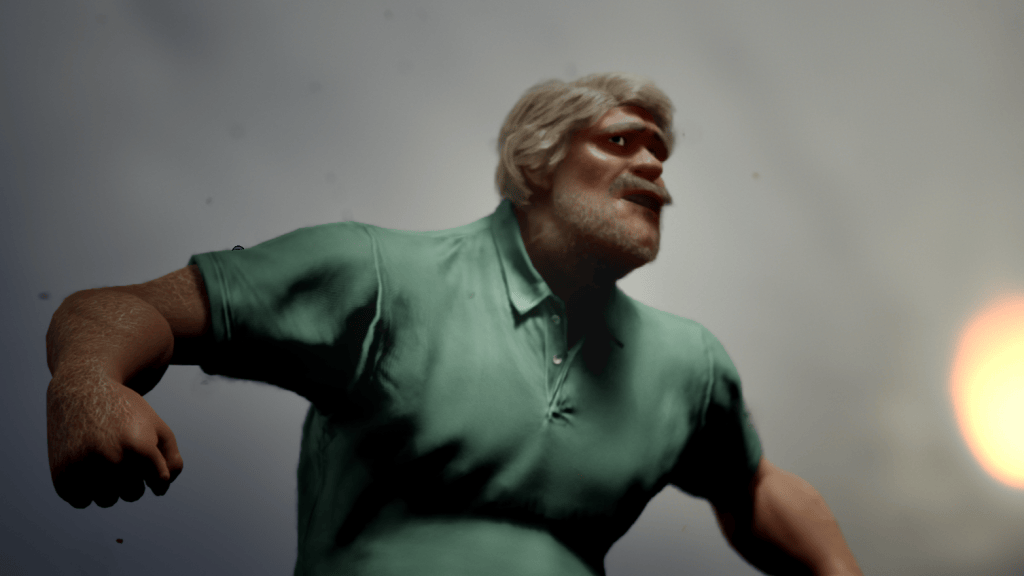
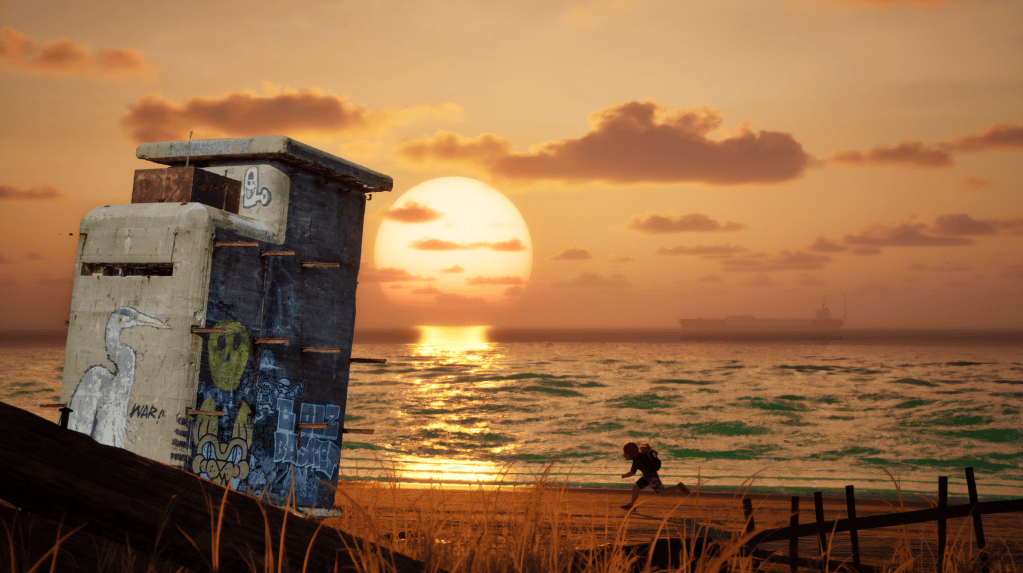
Through the remastered Reallusion Auto Setup plugin for Unreal Engine 5, porting custom shaders turns into an exploration experience. We combine Reallusion’s built-in shading engine with Unreal’s post-processing stencils to create the stop-motion animation look of our main characters and the etched, scribbled appearance of our villains, the Beldurrak.
In that way, it shortens the path from the intention to the final render. And as time always matters in long-term projects, opting for this pipeline is a choice that’s definitely worth it.


“We combine Reallusion’s built-in shading engine with Unreal’s post-processing stencils. In that way, it shortens the path from the intention to the final render. And as time always matters in long-term projects, opting for this pipeline is a choice that’s definitely worth it”
Paul Puaux – Creative / Artistic Director at Kabengo! Games
Q3: Can you break down your animation pipeline? How does iClone LIVE LINK inside Unreal Engine 5 help a small team achieve cinematic quality so quickly?
Paul Puaux: Working in small teams on characters, world, shading, and animation is known for being a one-man band’s job. Building character reactions—whether physical or emotional—is the final gap that creates the “suspension of disbelief”.
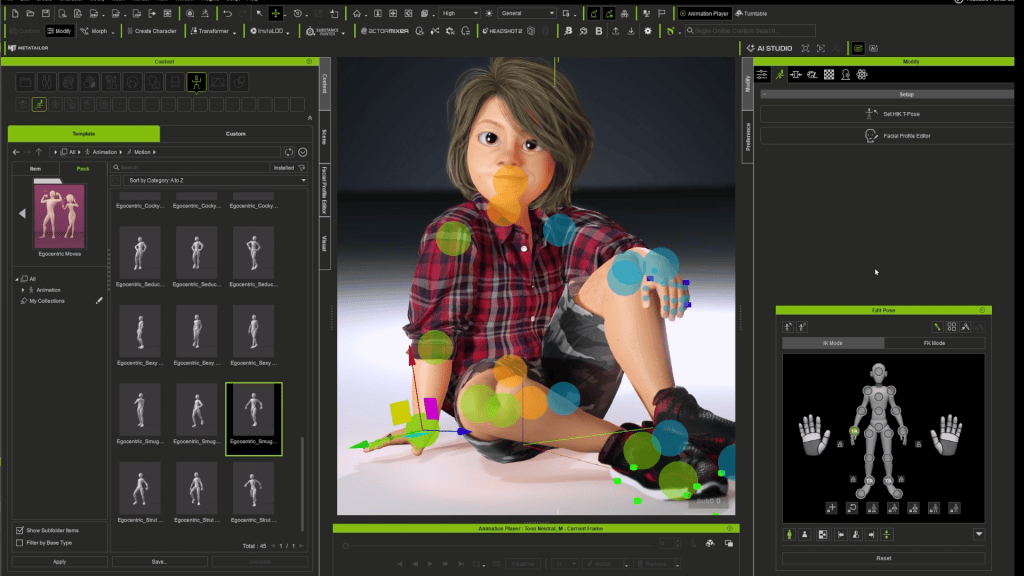
Working with a direct link between iClone and Unreal Engine makes a massive difference. In iClone, pose and motion libraries let us quickly explore parkour-inspired movement, Basque pelota games, or caricatural moves. Multiple motion layers in a dedicated timeline allow us to edit face muscles, expressions, switch IK/FK, or correct foot sliding.
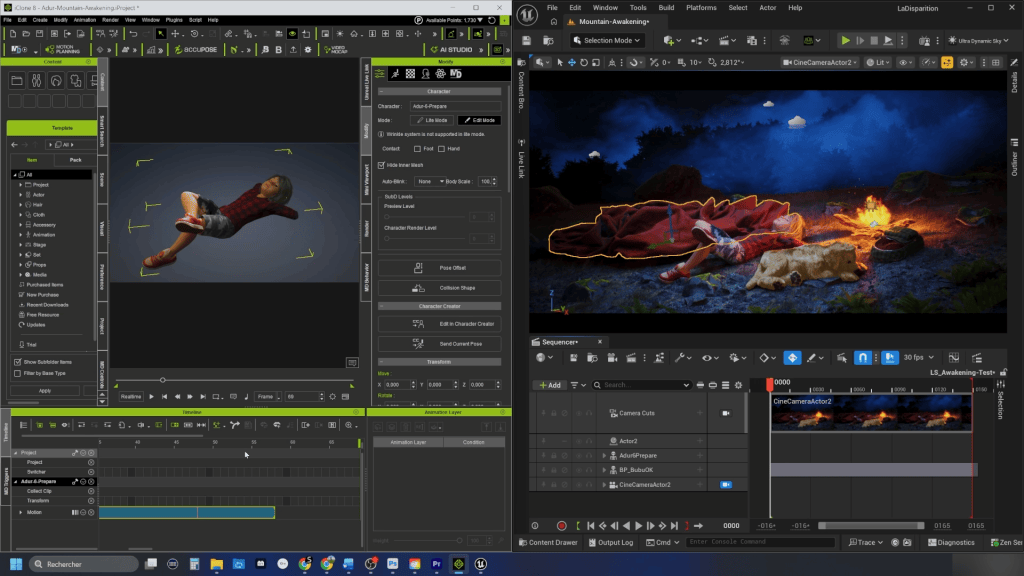
Pushing everything to Unreal Engine via Live Link allows us to adjust framing inside the final lighting setup. From there, we bake animations for our Animation Blueprints (ABP) or use Take Recorder in Sequencer while leveraging Lumen, Nanite, and RTX/DLSS hardware. This “WYSIWYG” approach lets us try 10 or 20 takes fast, pulling out the absolute best from our source material.


“Working in a constant link between iClone and Unreal Engine really makes a difference when it comes to testing, staging, and direct cinematics and gameplay. In iClone, the pose and motion libraries help us quickly explore many possibilities, such as parkour-inspired motion, basque pelota games, or more cartoonish caricatural short moves.”
Paul Puaux – Creative / Artistic Director at Kabengo! Games
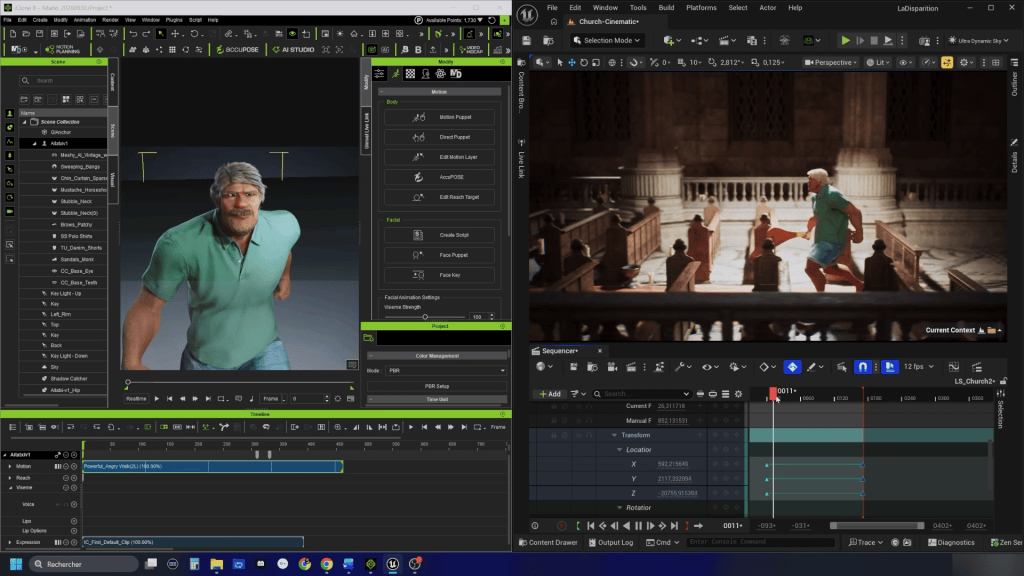
Pro Tip / Pipeline Hack: Using iClone LIVE LINK plugged directly into Unreal Engine 5 allows animators to test motion libraries, adjust facial expressions, and fix foot sliding in real time against final Lumen lighting and RTX shadows. This “WYSIWYG” (What You See Is What You Get) approach eliminates offline rendering delays, allowing a small studio to test 10 to 20 animation takes in the time it previously took to render one.
Q4: With your crowdfunding campaign launching soon, where can players follow your progress, and what pipeline advice do you have for other indie studios?
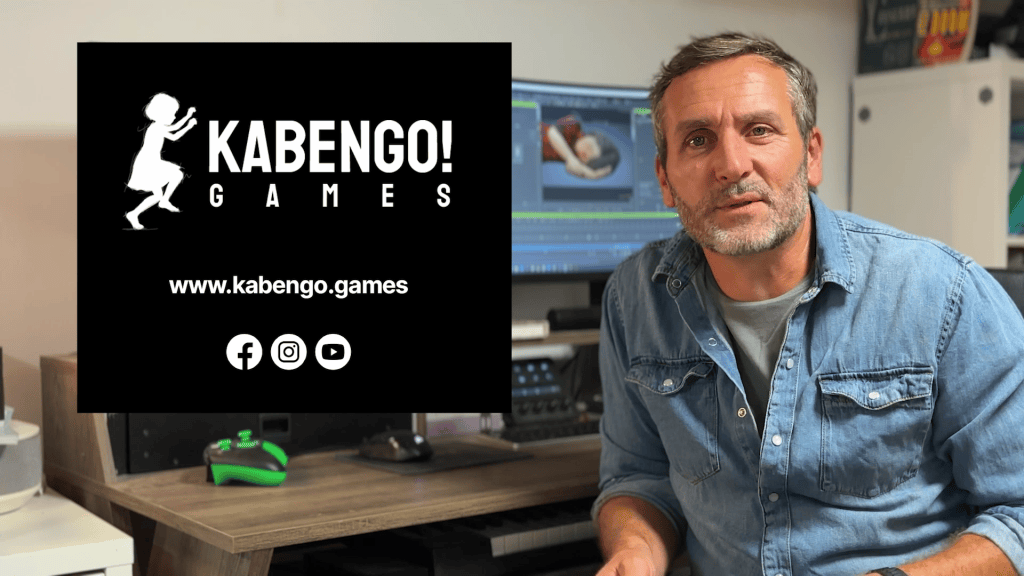
Paul Puaux: Our website www.kabengo.games is our central hub where the crowdfunding campaign will launch in the coming weeks. You can also follow us on YouTube, Instagram, and Facebook under Kabengo! Games, where we regularly share workflows, production logs, and behind-the-scenes updates.

Hearing Aitatxi speak Euskara to his grandson and seeing Mari appear as the mountains describe her allows players to experience this world naturally. We’re not archiving a culture; we’re handing it a controller.
My advice to solo and indie newcomers: gathering tools that fit your project is the fueling engine that keeps your world faithful to your idea. The Reallusion pipeline has been a terrific playground for building the soul of Adur, Aitatxi, and Mari. Making things memorable comes down to the moment when your characters start talking back to you in their own language.

“My advice to solo and indie newcomers: gathering tools that fit your project is the fueling engine that keeps your world faithful to your idea. The Reallusion pipeline has been a terrific playground to work on the soul of Adur, Aitatxi, Mari and all the figures you’ll meet along the way.”
Paul Puaux – Creative / Artistic Director at Kabengo! Games
Conclusion: Real-Time Precision Meets Cultural Storytelling
By pairing Character Creator 5 with iClone 8 and Unreal Engine 5, Kabengo! Games demonstrates how small independent teams can deliver cinematic 3D experiences anchored in regional heritage. Rather than relying on generic photorealism or unmanageable manual rigging workflows, Reallusion tools offer indie creators the artistic control needed to bring stylized characters to life efficiently.
To support Kabengo! Games and follow the development of Adur: Desagertzea, visit www.kabengo.games.
Frequently Asked Questions
Q: Why use Character Creator instead of MetaHuman for stylized Unreal Engine 5 games?
A: MetaHuman Creator is designed primarily for photorealism, making stylized art direction difficult. Character Creator 5 provides full morphing control through tools like ActorMixer, allowing developers to customize body silhouettes, face proportions, shaders, and clay textures to achieve unique stylized aesthetics like “puppet diorama” looks.
Q: How does iClone Live Link work with Unreal Engine 5?
A: iClone Live Link creates a real-time connection between iClone 8 and Unreal Engine 5. Animators can edit facial expressions, pose libraries, and motion layers in iClone while instantly previewing the results in UE5 under final Lumen lighting, Nanite geometry, and RTX raytracing.
Q: Can a small indie studio produce cinematic 2.5D games without traditional render farms?
A: Yes. Real-time engines like Unreal Engine 5 combined with iClone Live Link eliminate offline rendering. Animators preview near-final cinematic quality directly in-engine, enabling small teams to iterate rapidly, record sequences, and bake animations without long rendering delays.
Q: What is Adur: Desagertzea?
A: Adur: Desagertzea is an upcoming 2.5D cinematic platformer developed by French indie studio Kabengo! Games. Voiced in Euskera (Basque) and French, the game combines exploration, combat, and puzzle mechanics while showcasing authentic Basque mythology, language, and cultural traditions.


Read More:
Pitch & Produce: AccuFace as the Solution for Rapid Film Production
Creating an Action Comedy Game with AccuRIG Realtime Tools
3D Virtual Fashion with Character Creator Digital Humans
Pitch & Produce | History YouTube Channel Selects iClone and Character Creator for Speedy Production

