As a master content developer and 3D character artist who has partnered with Reallusion for many years, Peter Alexander (known to the community as Mythcons) has produced numerous top-selling packs for the Reallusion Content Store. Yet despite years of sculpting intricate characters that powered other creators’ projects, he faced a personal dilemma: he had plenty of his own stories to tell, but lacked the specialized animation speed to bring them to life on his own.
Reallusion AI Studio changed that. By combining 3D scene blocking in iClone and ZBrush with AI Studio video generation, Alexander discovered how to direct full animated scenes without starting from scratch. Here is how leveraging 3D staging solves AI consistency issues, fixes scale problems, and turns AI Studio into a reliable animation assistant for solo character artists.
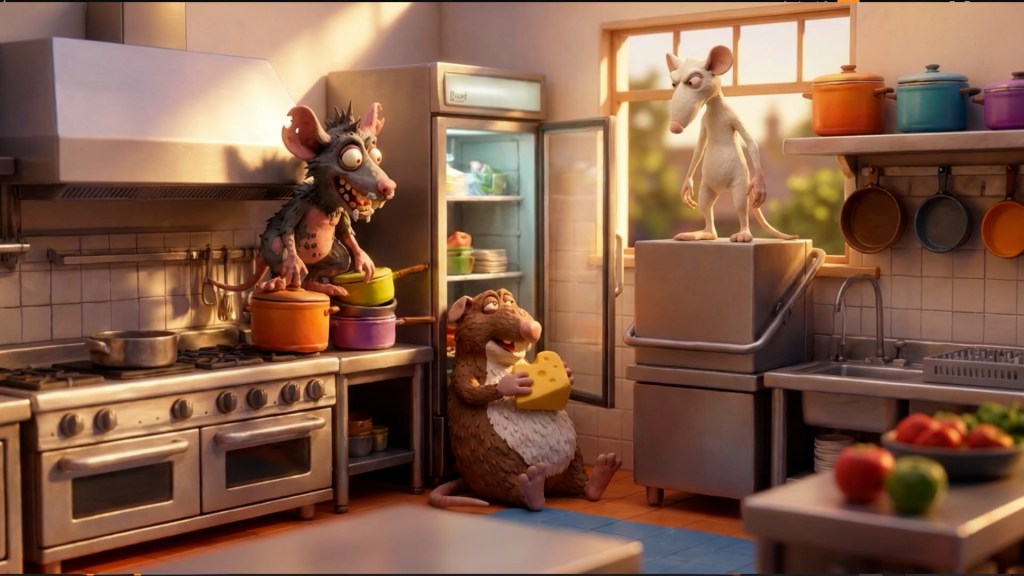
Breathing Narrative Life into Existing Assets
Peter didn’t begin with grand, abstract cinematic ambitions. Instead, his storytelling journey was sparked by revisiting a concept that had been sitting in the back of his mind for over a decade, paired directly with assets he had already built.
Having previously developed and released the Toon Rat Starter Pack for the Reallusion ecosystem, Peter realized he already possessed a rich library of rigged, high-quality 3D models. These characters provided the ideal foundation to test transitioning from traditional 3D scene creation into AI-assisted animation. Rather than building everything from scratch or asking generative AI to invent characters out of thin air, he could bridge his established 3D assets into AI Studio.

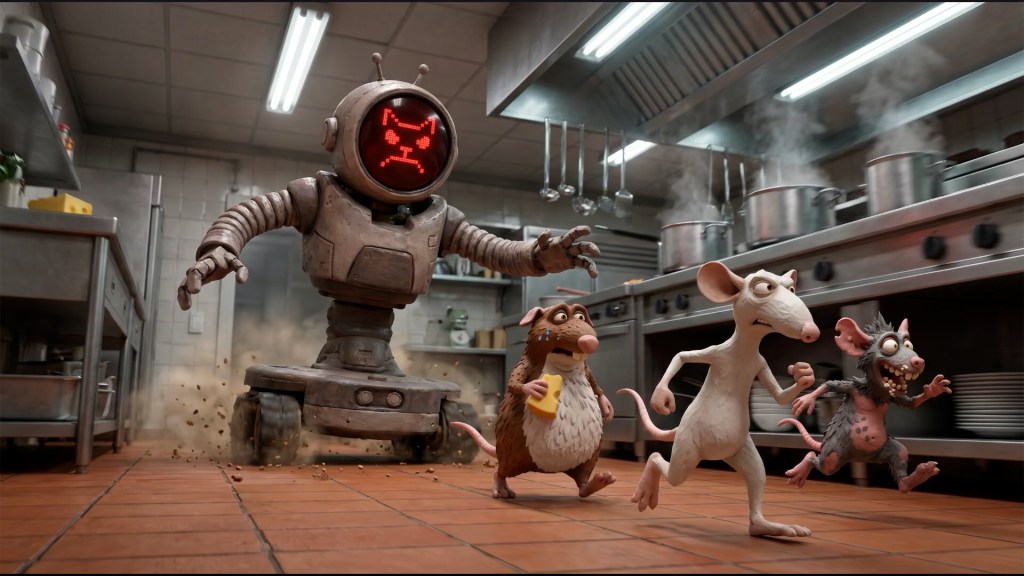
The premise was pure visual comedy: three distinct rats from his pack planning a high-stakes heist in a commercial kitchen, only to be ambushed by their ultimate nightmare—the Rat Catcher 3000, a colossal, cat-like robot with laser eyes. In the past, giving these rat models expressive, full-scene motion would have taken months of complex keyframe animation. Now, it became his testing ground for a streamlined hybrid workflow.


Taking Back Creative Control from the AI
“AI can generate a scene from a prompt, but prompting alone means surrendering a significant amount of control. By building the scene in 3D first, I could determine where the characters stood, how large they were, what the lighting looked like and how the shot was composed. Then AI could concentrate on bringing that setup to life.”
Peter Alexander(Mythcons)
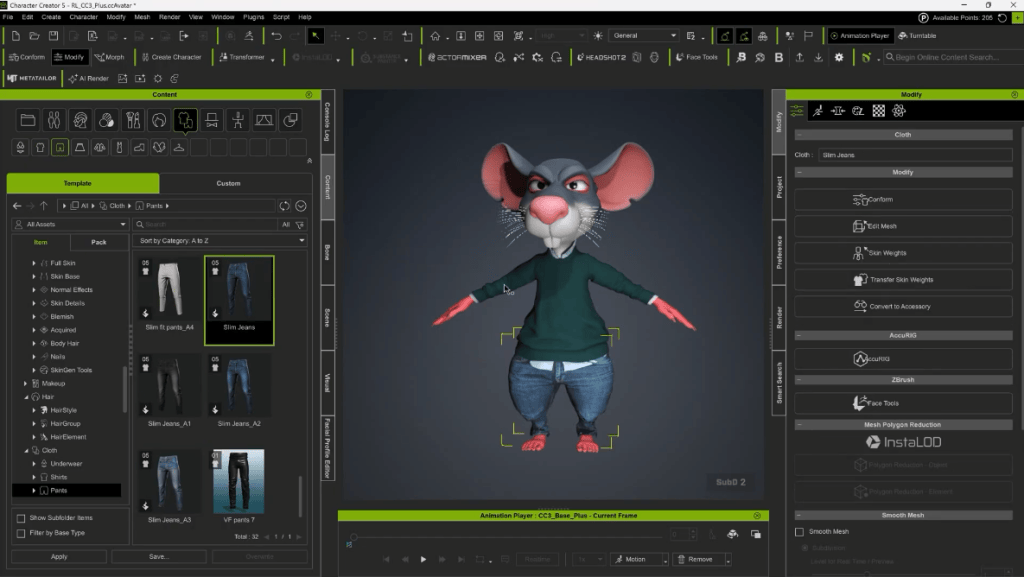
Left to itself, prompting forced the generative engine to default to human proportions, ruin rodent scales, and guess wildly on lighting. To retain his artistic identity, Peter broke his preparation down into three distinct 3D steps:
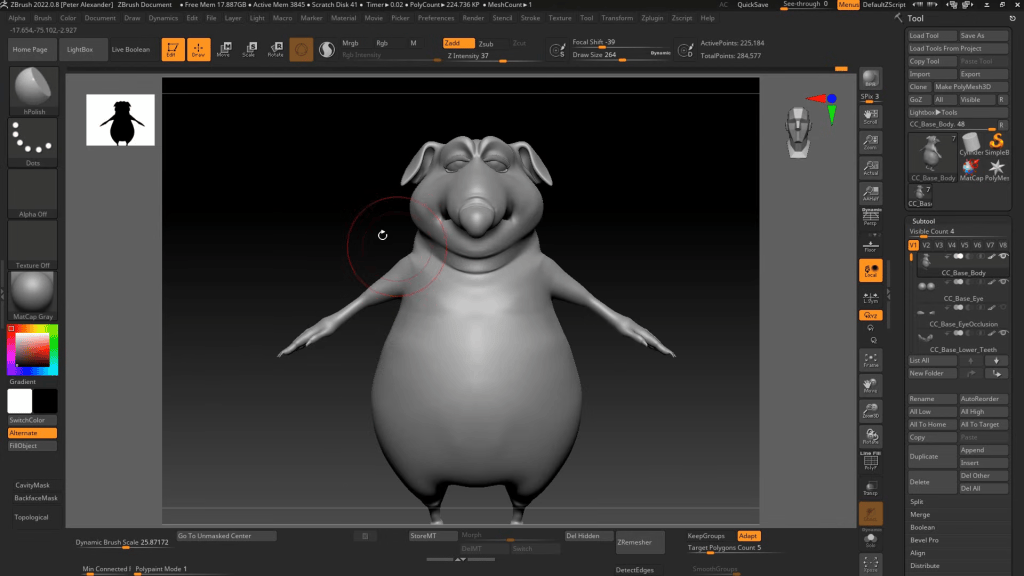
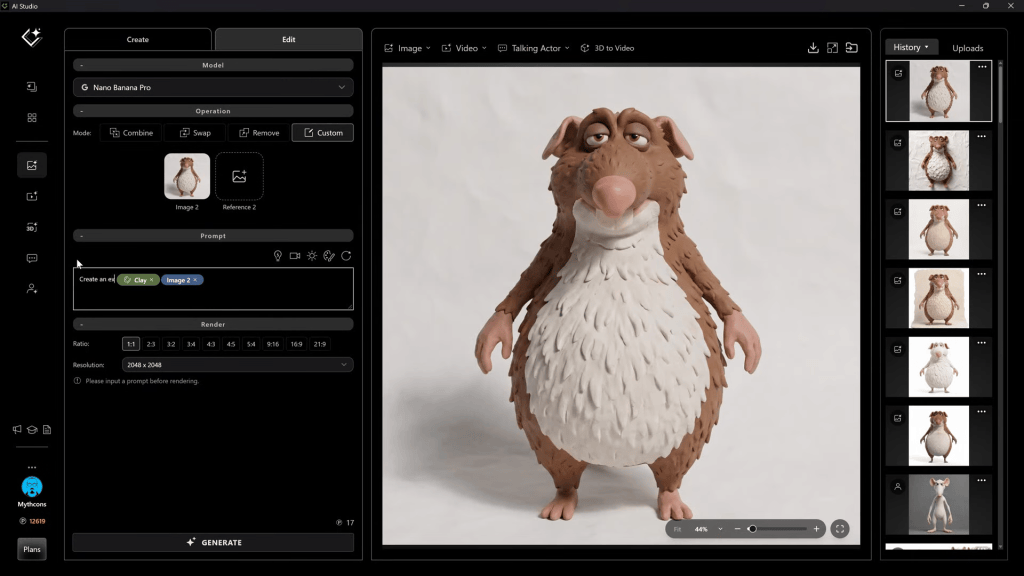
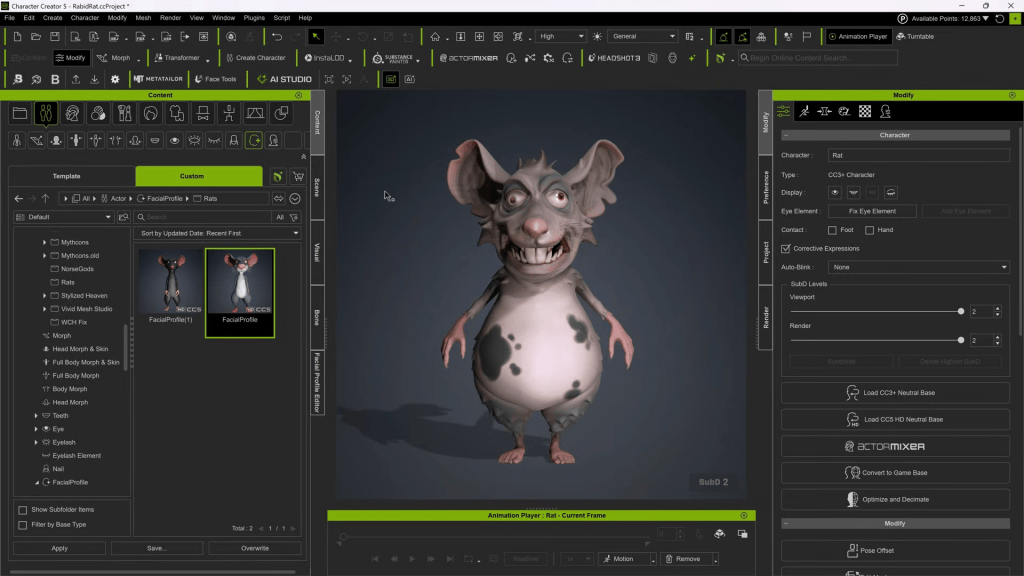
- Crafting the Rat Cast: In ZBrush, Peter pushed character geometry from his Toon Rat collection to establish exaggerated emotional archetypes: a crazy wildcard, a weary leader, and a clumsy heavy. Rather than asking the 3D mesh to serve as the final render pass, he used ZBrush viewport renders as references in AI Studio, developing character sheets with clay-like textures to lock in visual consistency across shots.

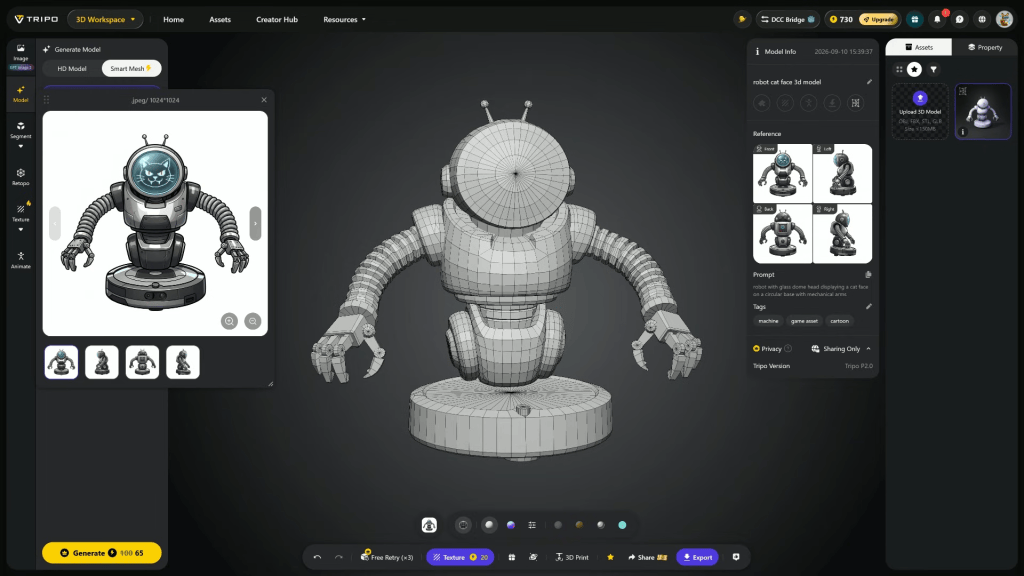
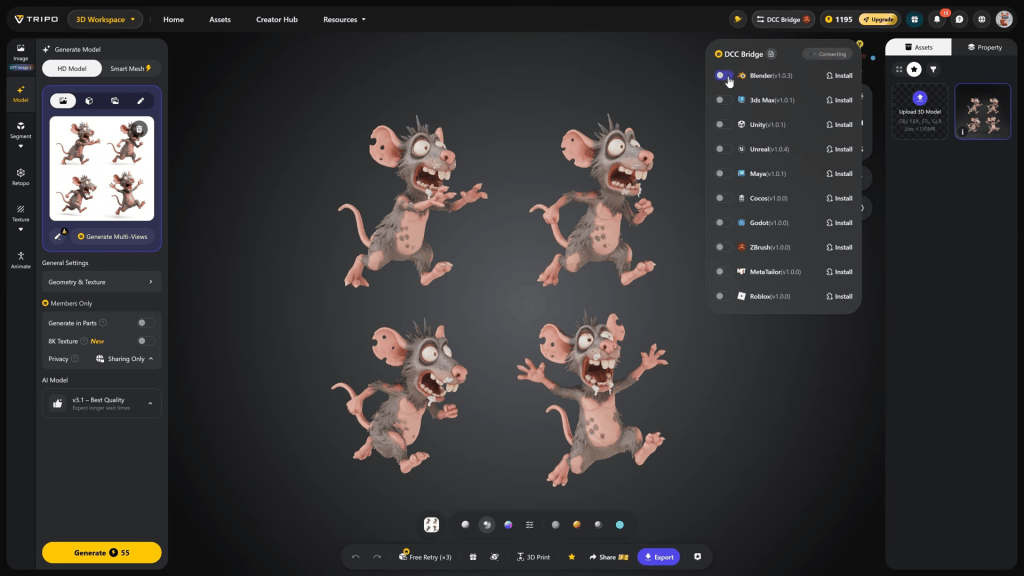
- Designing the Robot: To create the antagonist, Peter resurrected his old student concept for the Rat Catcher 3000. He generated the initial robotic cat design via Tripo 3D into a low-poly mesh, then brought it into Blender to rig its arms and body for custom pose adjustments.
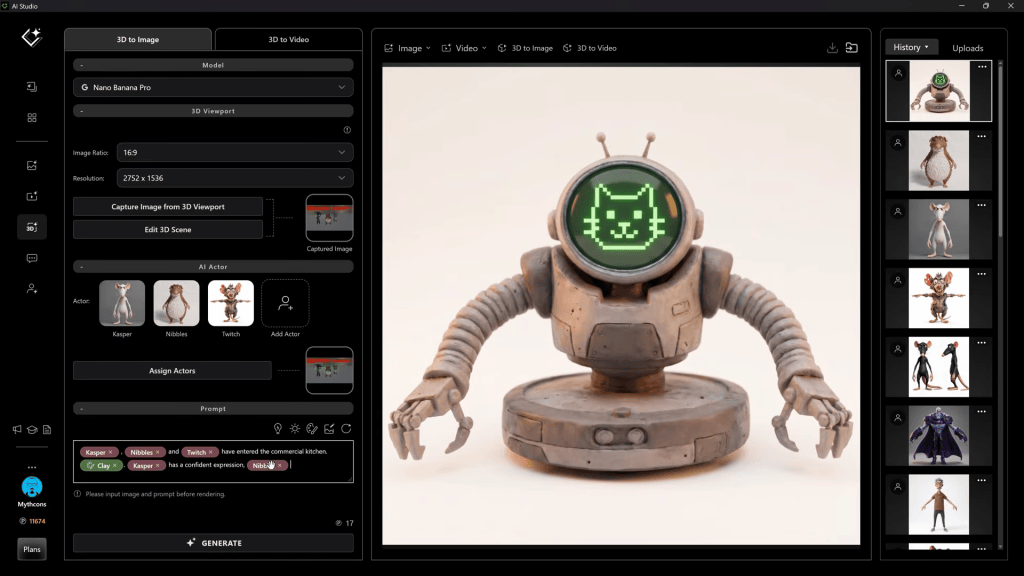
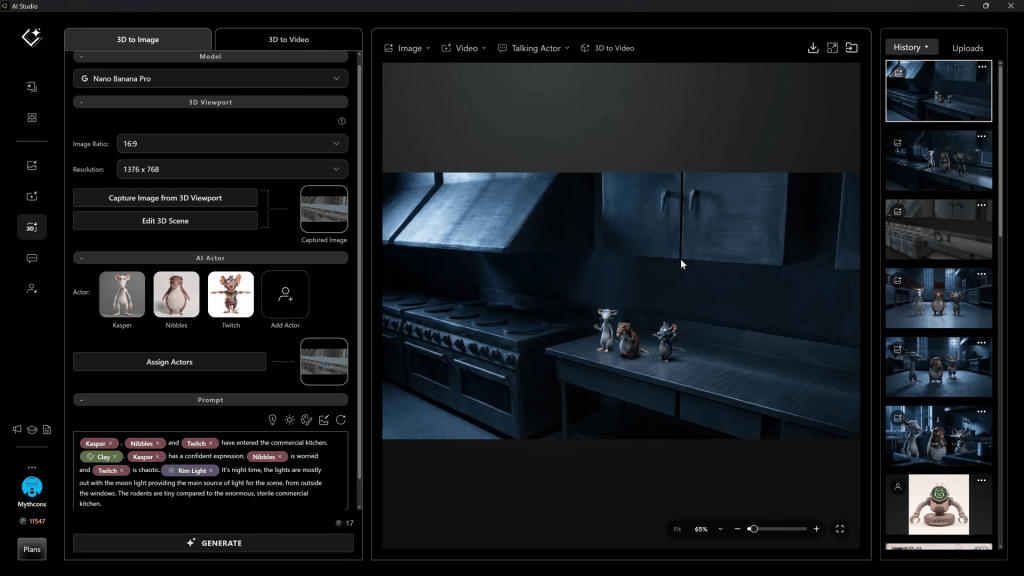
- Staging the Scene: To fix the scale issues caused by AI defaulting to human proportions, Peter set up a 3D environment using Reallusion’s Commercial Kitchen content pack. Staging the rats, robot, camera focal length, and lighting directly within the 3D scene gave the AI engine a precise spatial blueprint to follow.

Finding My Own Directing Rhythm
“The workflow began to feel surprisingly similar to stop-motion animation… At that point, AI no longer felt like the director. It felt like an animation assistant.”
Peter Alexander(Mythcons)
Through trial, error, and continuous experimentation, Peter developed a rhythmic directing strategy that solved AI continuity issues while protecting his credit budget:
- Stop-Motion Style Parenting: Inside iClone, he parented AI-generated meshes to spatial nodes, hiding and revealing characters or poses frame-by-frame. This allowed him to construct a controlled scenario in 3D before letting the generative engine handle the complex in-between motion.

- Frame Anchoring: To prevent jarring shot-to-shot visual shifts, Peter took a successful frame from a previous generation and used it as a new starting frame, extending sequences smoothly from a point that already worked.
Native Tripo-powered 3D model generation now supported in both Character Creator and iClone
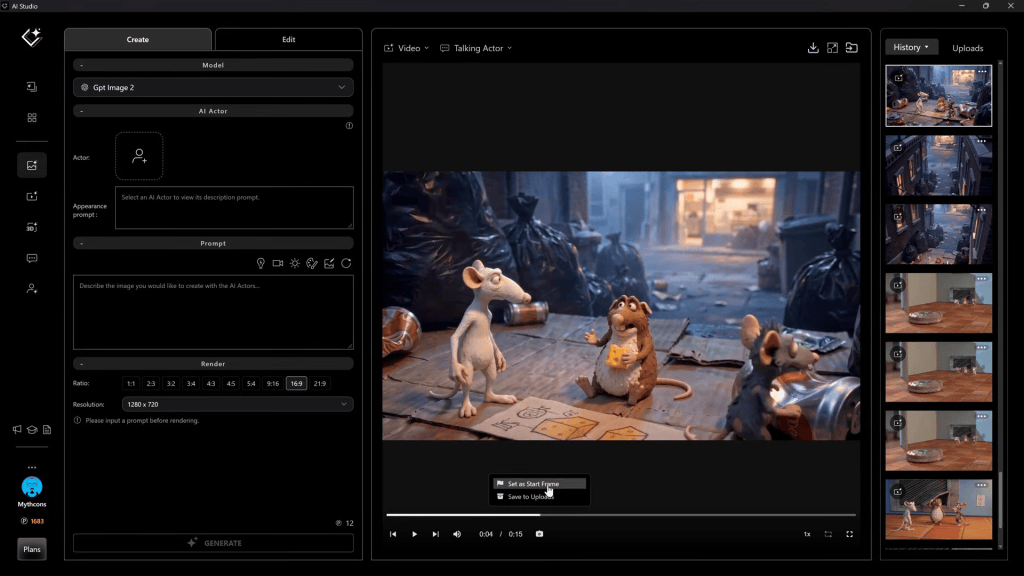

AI wasn’t replacing Peter’s craftsmanship—it was acting as an animation assistant, taking his concrete 3D composition and filling in the gaps.
The Shift in Mindset: I Am a Director Now
“I had never really considered myself an end user of the characters I created. I was the content creator—the person making assets for other people to use. AI Studio changed that perspective… For the first time, I felt less like someone who only made characters for other people’s stories. I felt like a storyteller.”
Peter Alexander(Mythcons)
Peter Alexander’s journey through AI Studio is less about adopting a technology and more about reclaiming creative agency. The process isn’t without friction, as environmental shifts and technical artifacts still require an artist’s touch to correct.
However, by bridging traditional 3D scene construction with AI video generation, the massive gap between what a solo artist envisions and what they can actually complete on screen has finally closed. For Peter, and for any character artist who has ever felt locked inside the asset creation pipeline, a new chapter as a director has officially begun.

Mythcons
Peter Alexander, known throughout the Reallusion community as Mythcons, is a freelance 3D generalist, character artist, and prolific content developer. Over years of crafting masterclasses, custom character morphs, and pipeline tools for Character Creator and iClone, Alexander built a reputation for solving complex character design challenges.
Related Posts
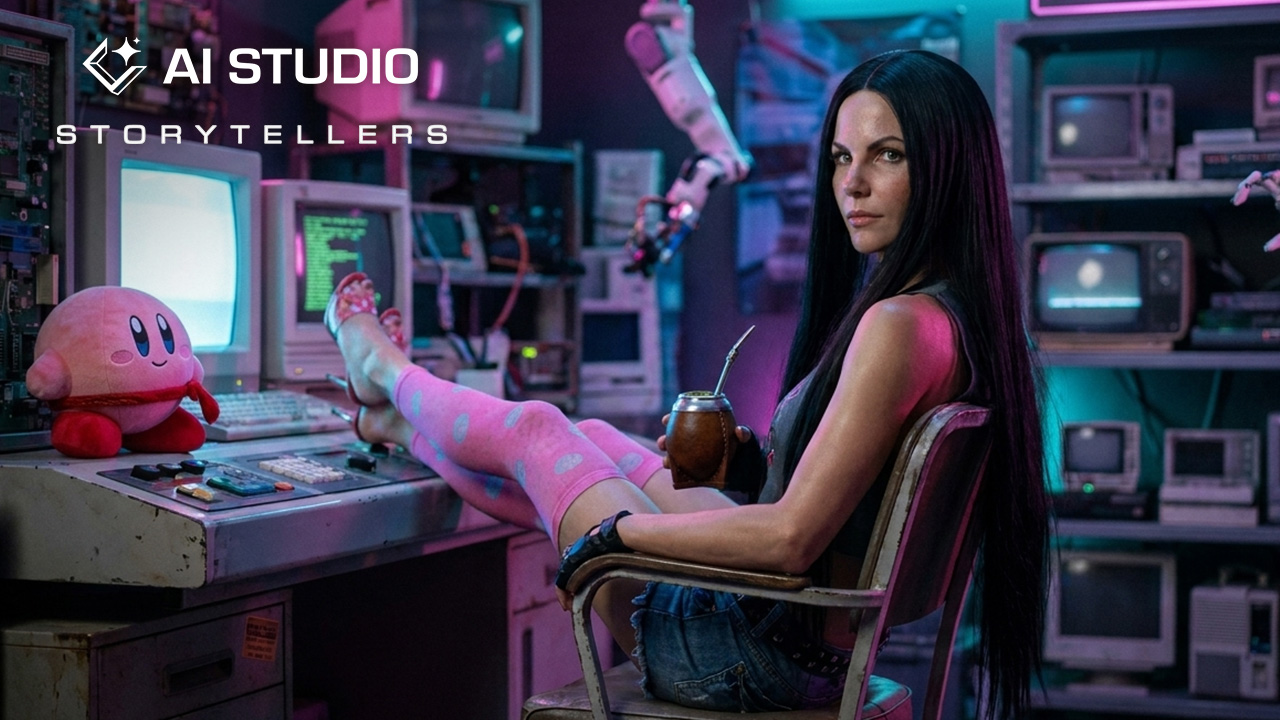
- AI Studio Storytellers: R.G. Keys – Smooth Transition from Unreal Engine to a Faster 3D-to-AI Workflow
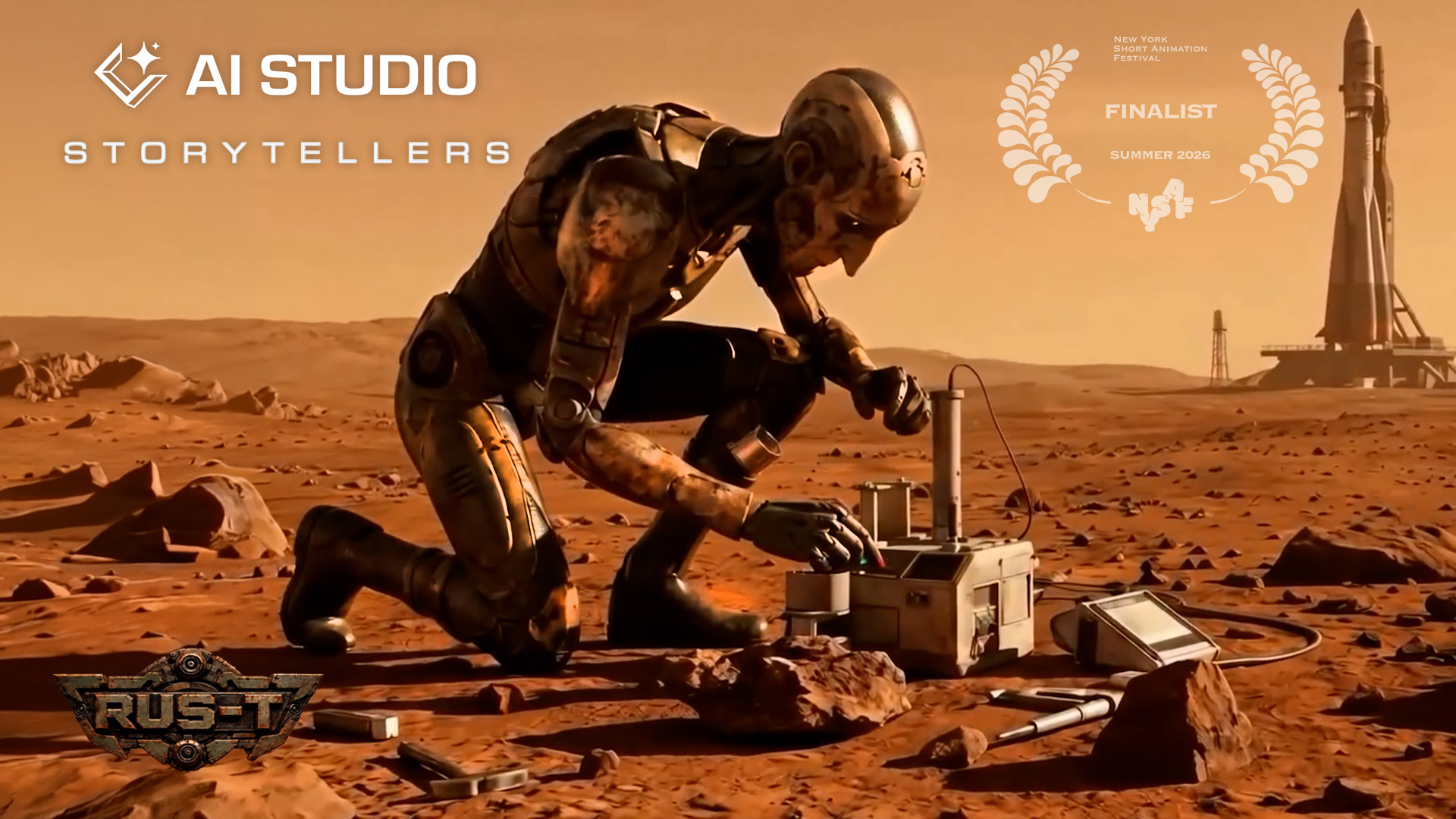
- AI Studio Storytellers: RUS-T – Millions of Views, Award-Winning AI Film Workflow Unveiled
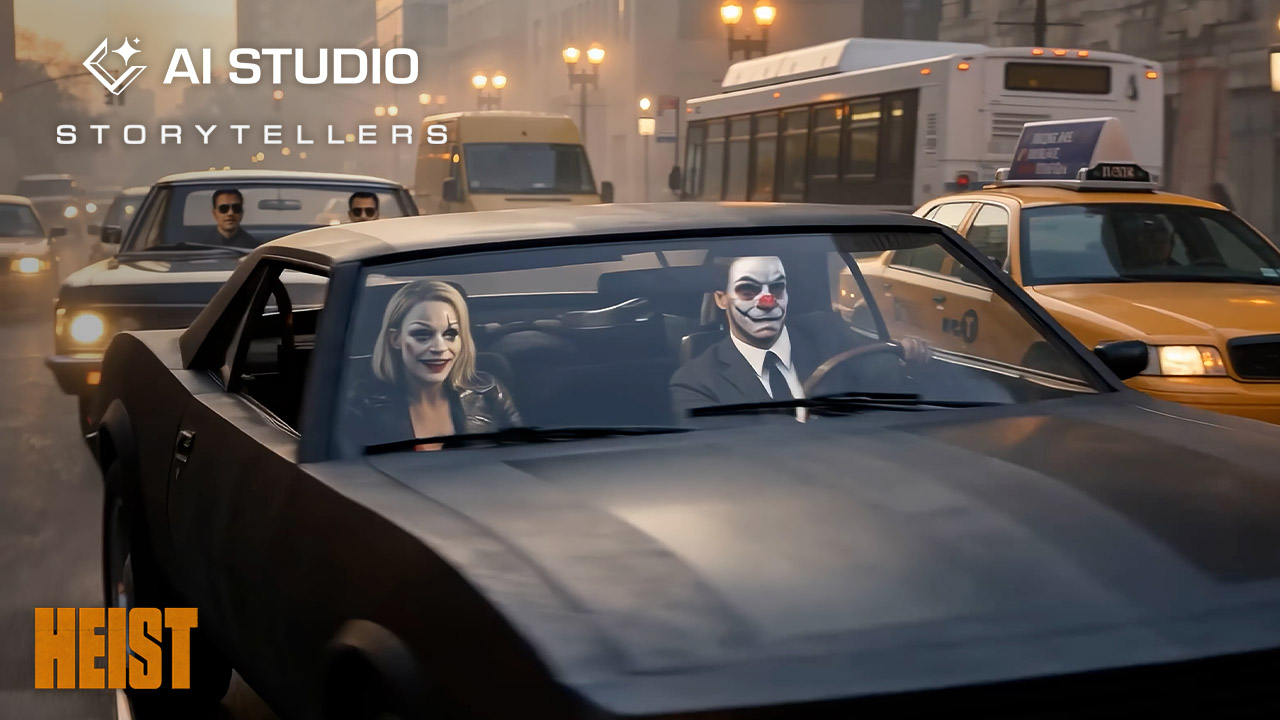
- AI Studio Storytellers: HEIST – Previz to Production: The 3D-to-AI Workflow