
HEIST demonstrates how Character Creator, iClone, and AI Studio transform traditional previs into a production-ready AI filmmaking pipeline, giving creators the power to direct AI with the same cinematic techniques used in film and television.

The rise of generative AI has made it possible for anyone to create cinematic imagery, but creating a compelling sequence of shots requires a combination of principles and execution. Storytelling depends on deliberate choices—camera placement, composition, character performance, continuity, pacing, and visual language. These are the same principles filmmakers have relied on for decades, and they remain essential in the age of AI.
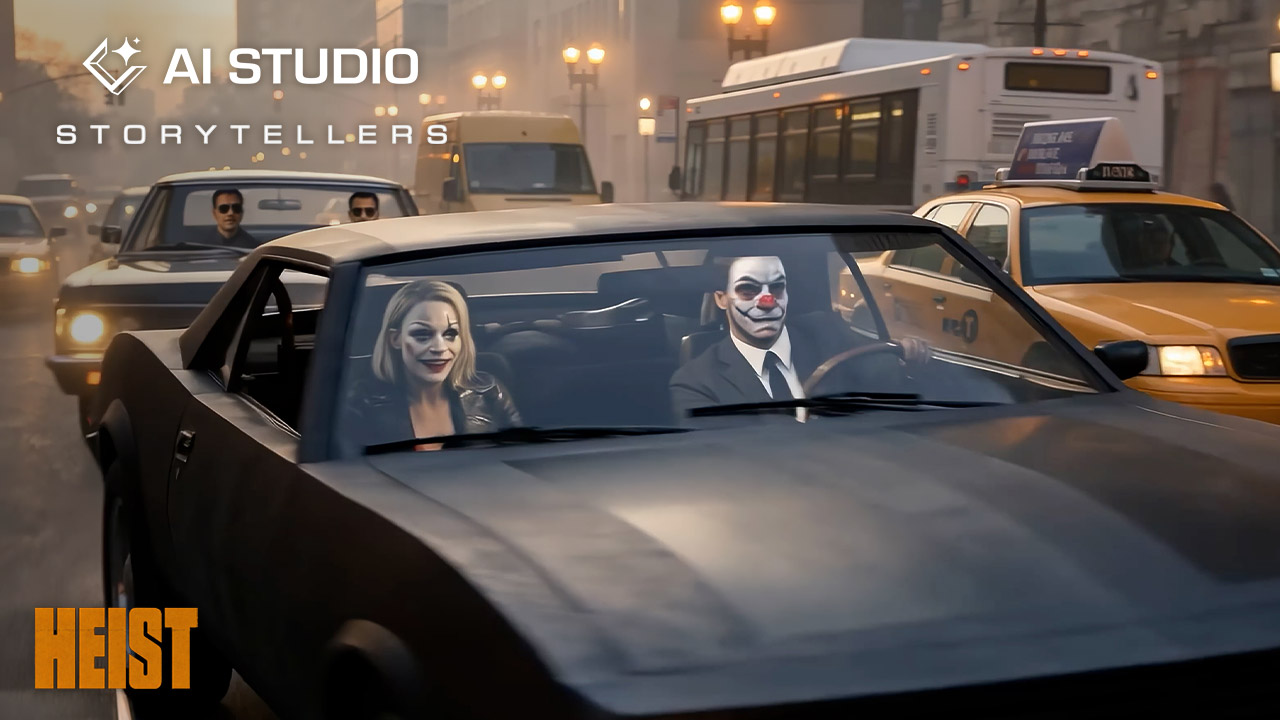
HEIST, from James Martin, was created as an exploration of how traditional filmmaking techniques can be combined with AI-powered production. Rather than relying solely on prompts, the project demonstrates how Reallusion’s Character Creator, iClone, and AI Studio enable filmmakers to use 3D as a directing layer, transforming established production workflows into a powerful AI filmmaking pipeline.
Building the Film Before the Film
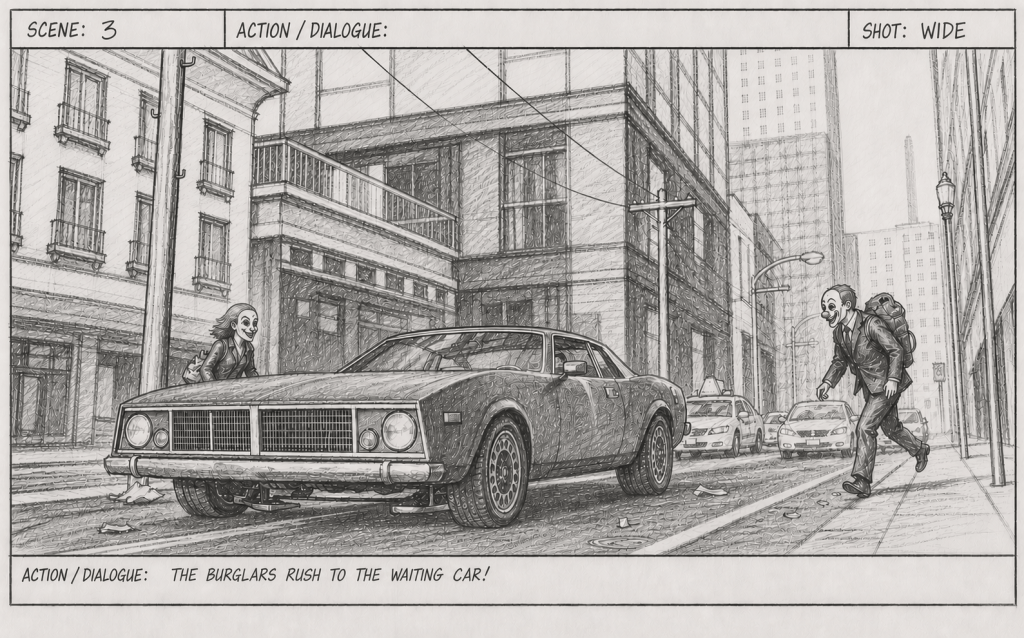

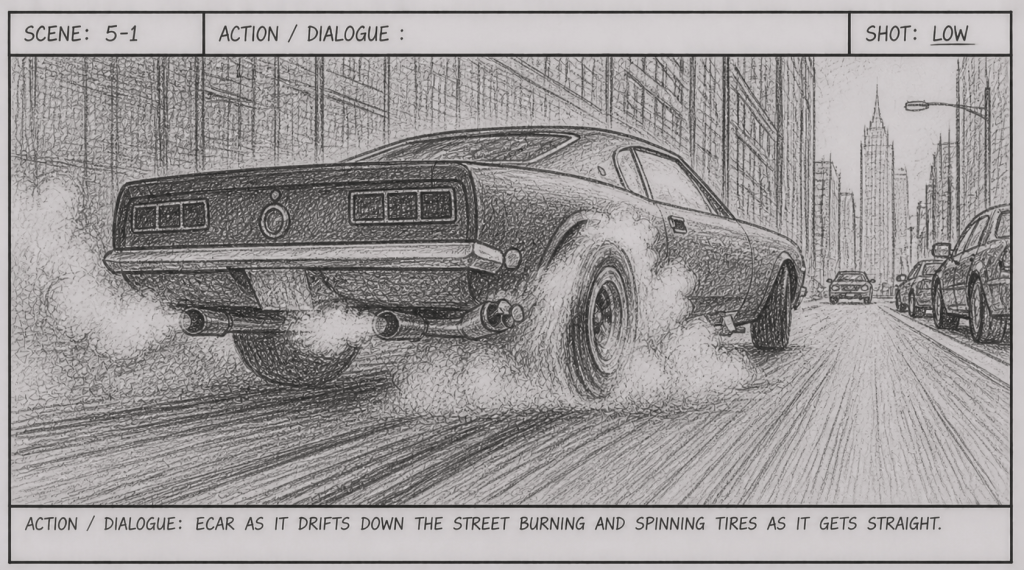
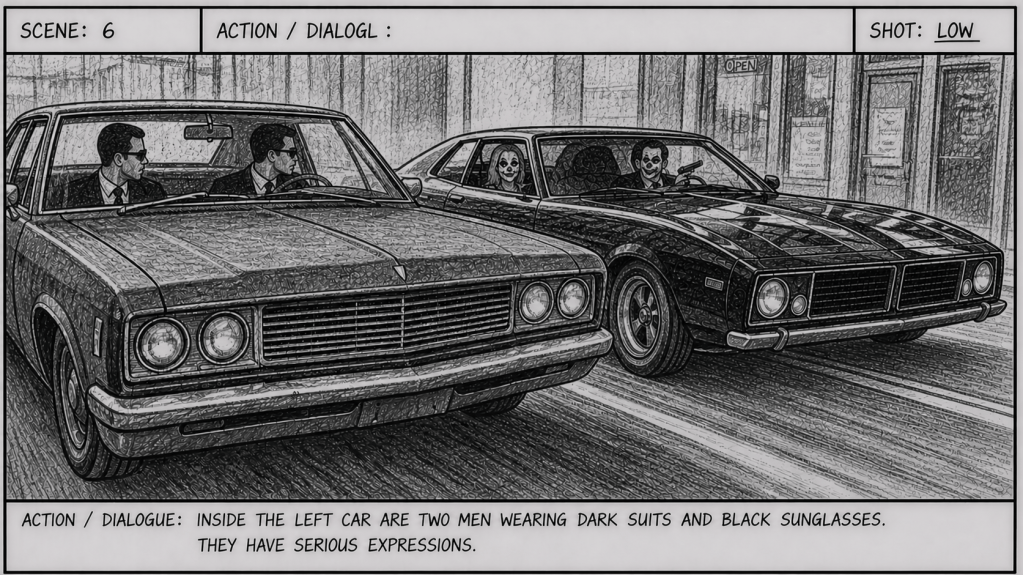
Like many feature films, HEIST began in previs that originates in the storyboards, guiding the character design in Character Creator and 3D layout in iClone to prepare the scene.
Using Character Creator and iClone, scenes were staged using content from the included AI Studio content library and the creator’s custom content library, cameras were placed, and shots were planned before AI generation ever began. This virtual production process allowed creative decisions to be made early, including framing, camera movement, character blocking, and shot progression. The 3D pipeline to AI Studio is crucial to directing the AI with anticipated results.
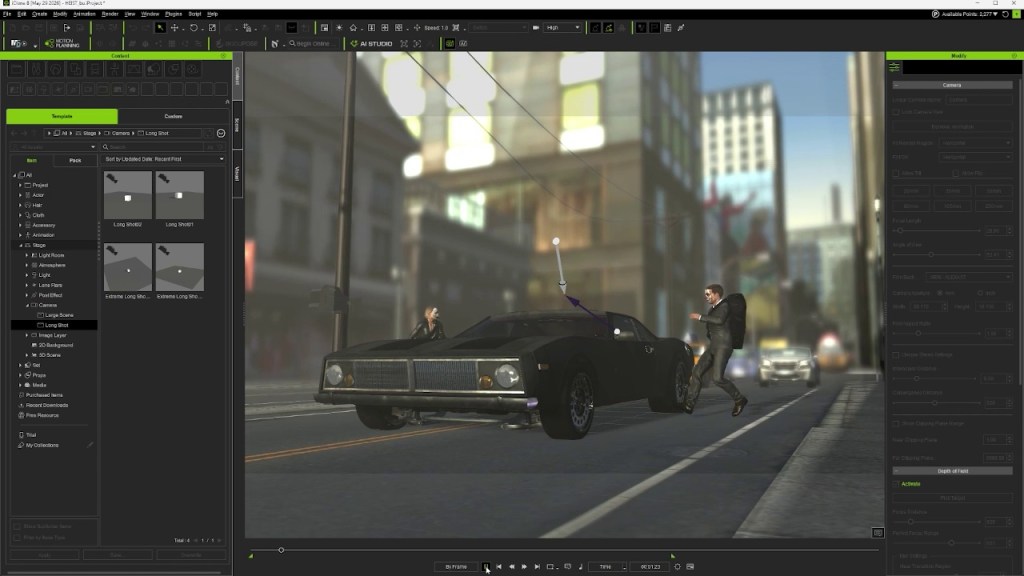
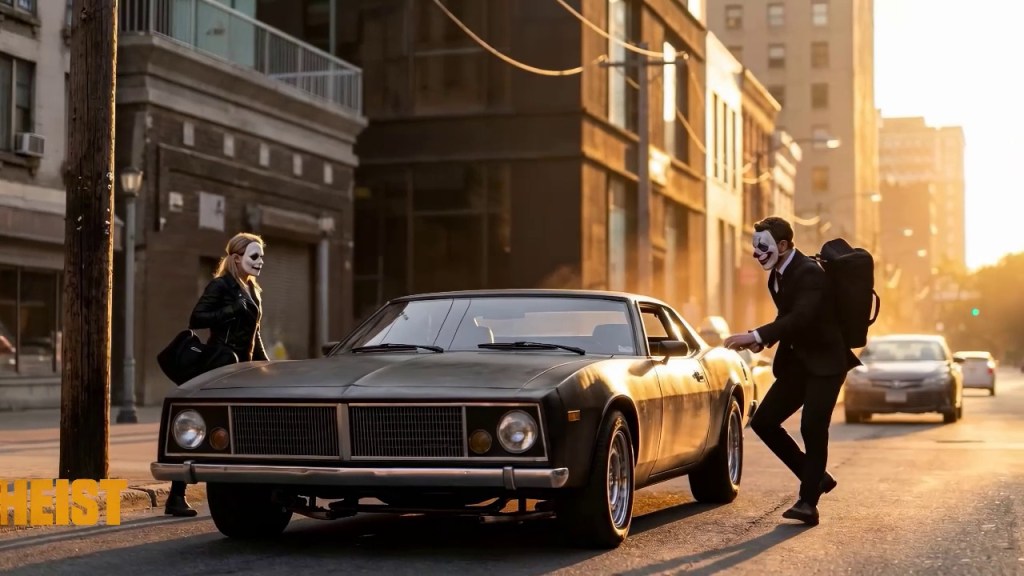
By working in 3D first, the production gained something often missing from prompt-driven workflows: intentional direction. Every shot existed for a reason. Every camera angle supported the story. Every sequence could be reviewed, refined, and approved before moving into AI production.
From Character Creator to AI Actor
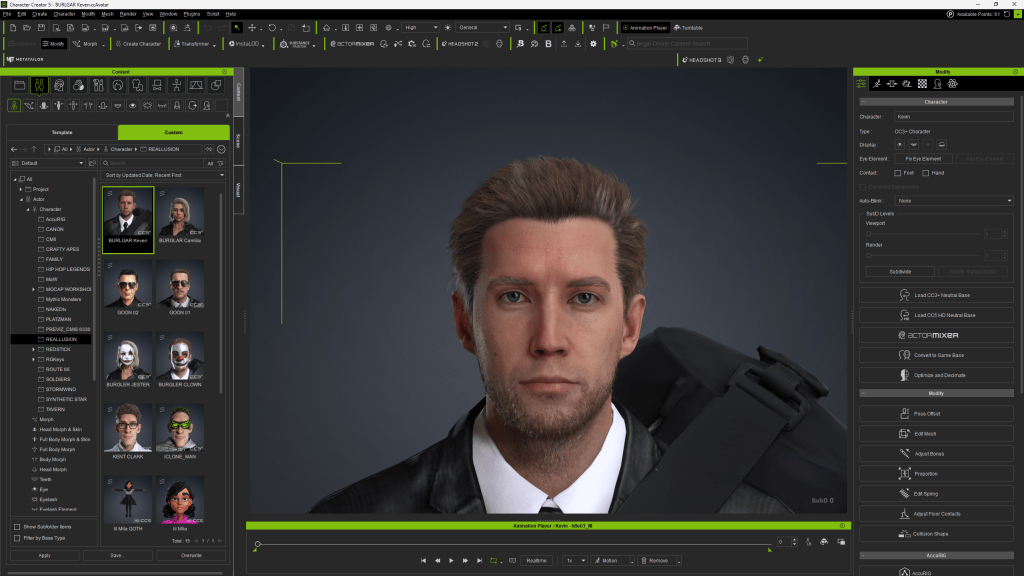

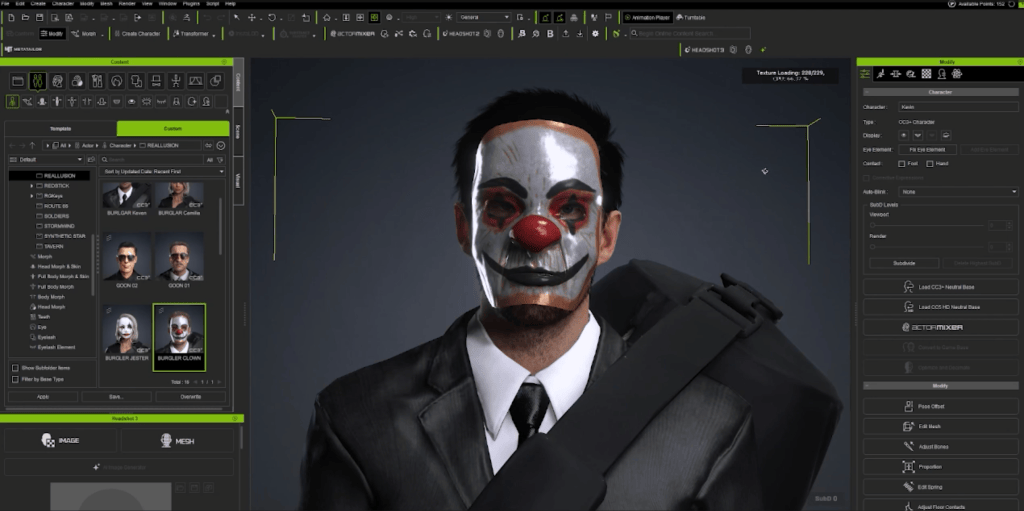
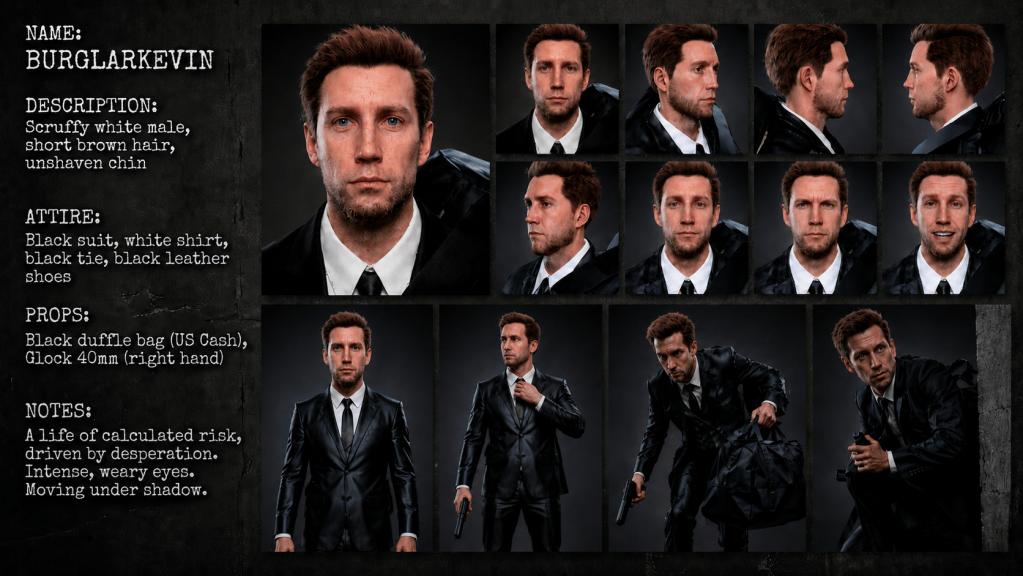
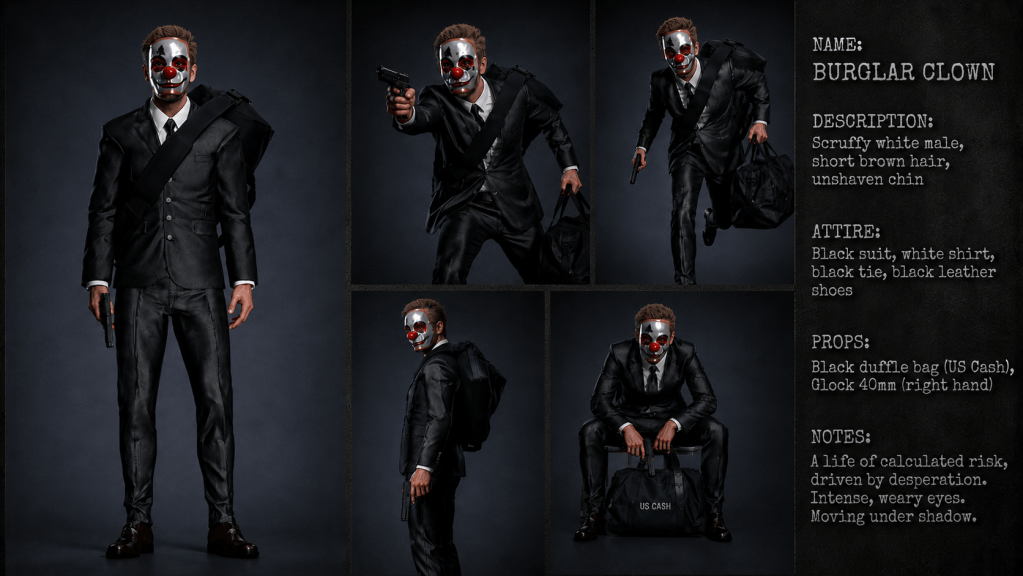
One of the greatest challenges in AI filmmaking is maintaining character consistency across dozens or even hundreds of shots.
For HEIST, custom characters were established using Character Creator and prepared within the Reallusion ecosystem for AI production. Through AI Studio, those characters became AI Actors, preserving their identity, appearance, and visual continuity throughout the project.


Instead of generating a new interpretation of a character with every prompt, the production relied on a consistent digital performer that could appear reliably from scene to scene.
This approach allows filmmakers to think less about recreating characters and more about directing performances.
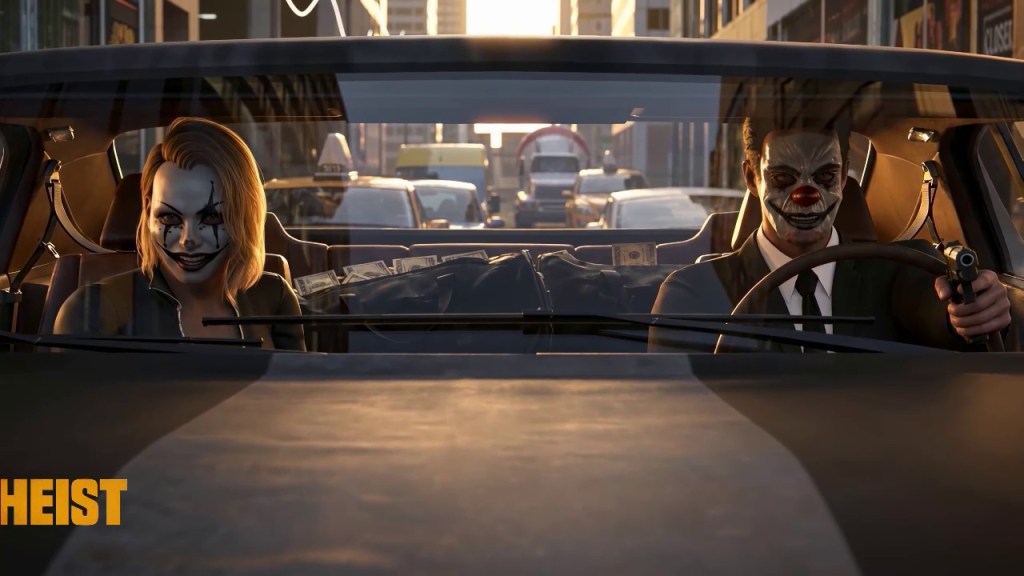
Using 3D to Direct AI

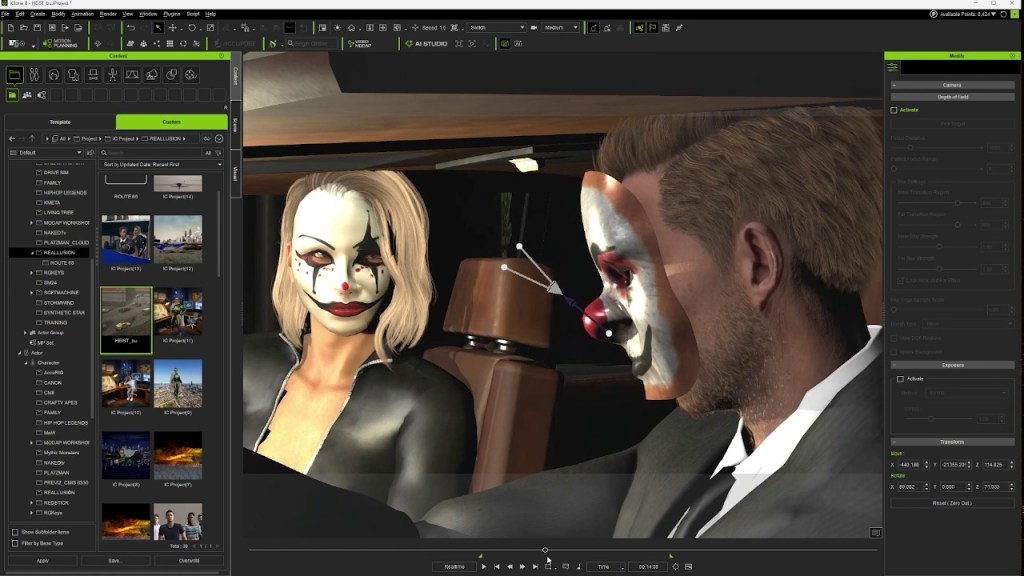
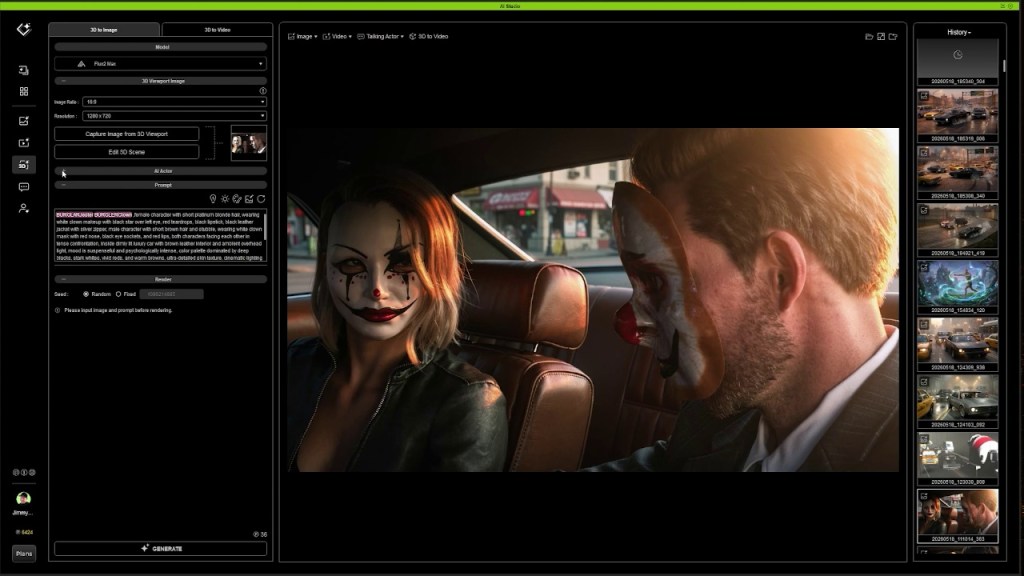
The real innovation behind the workflow is not replacing filmmaking with AI. It is using AI to extend filmmaking.
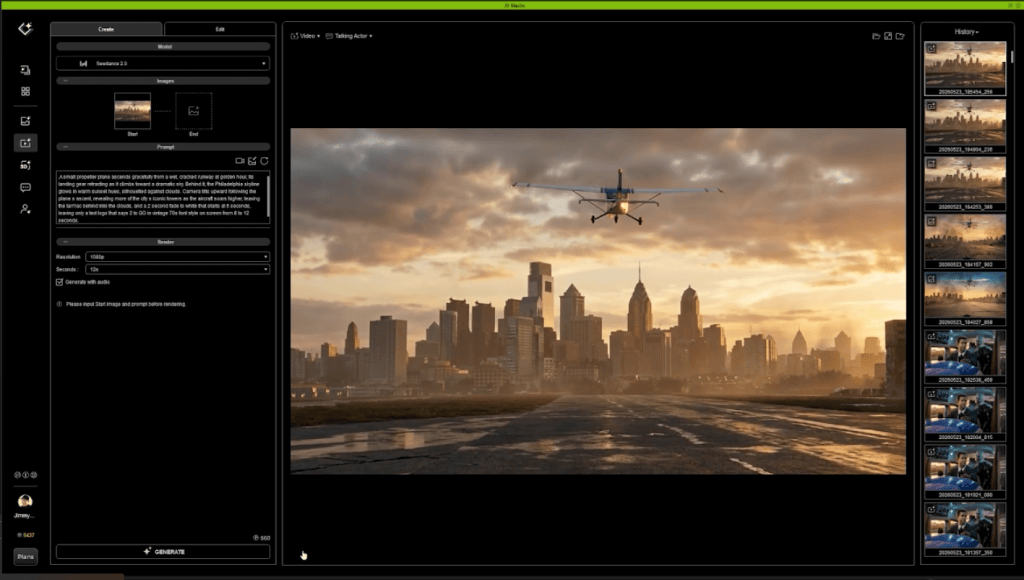
The process starts with storyboards, and then previs created in iClone serves as a blueprint for the final production. Camera intent, composition, staging, and narrative structure established in 3D carry forward into AI generation. Martin used Nano Banana for image generation and SeeDance for video generation.
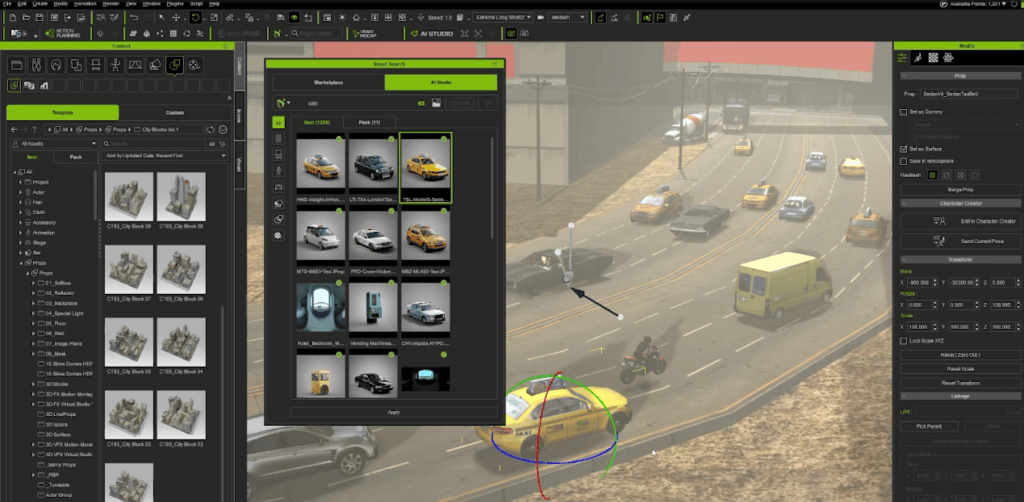

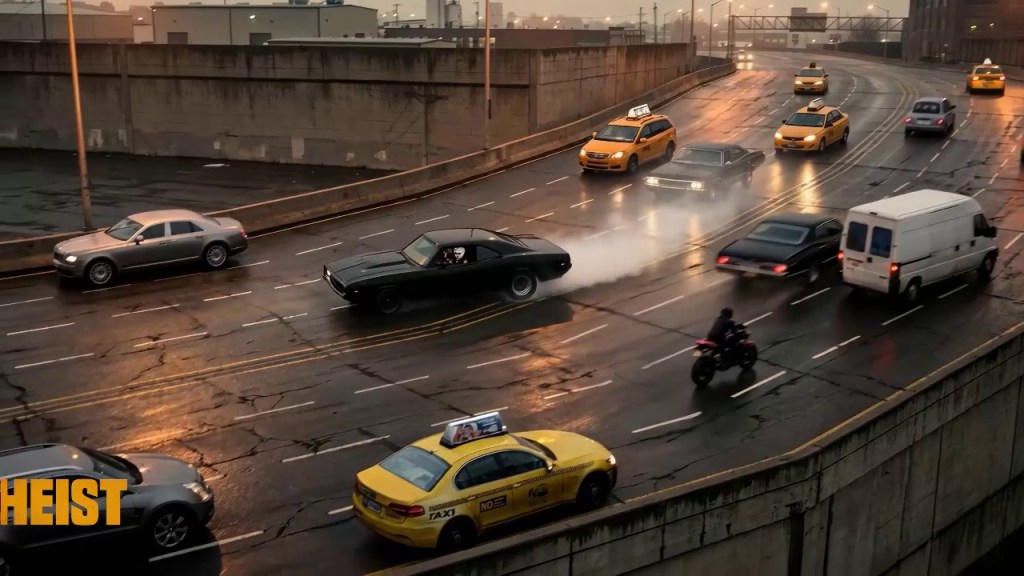
In this way, AI becomes the visual execution layer rather than the creative decision maker.
The 3D to AI Studio workflow with prompt enhancement gives control over:
- Shot composition
- Camera placement
- Lens language
- Character positioning
- Scene continuity
- Story pacing
- Visual storytelling
The result is a workflow that combines the speed and flexibility of generative AI with the precision and predictability of professional production techniques.
The Prompt Strategy
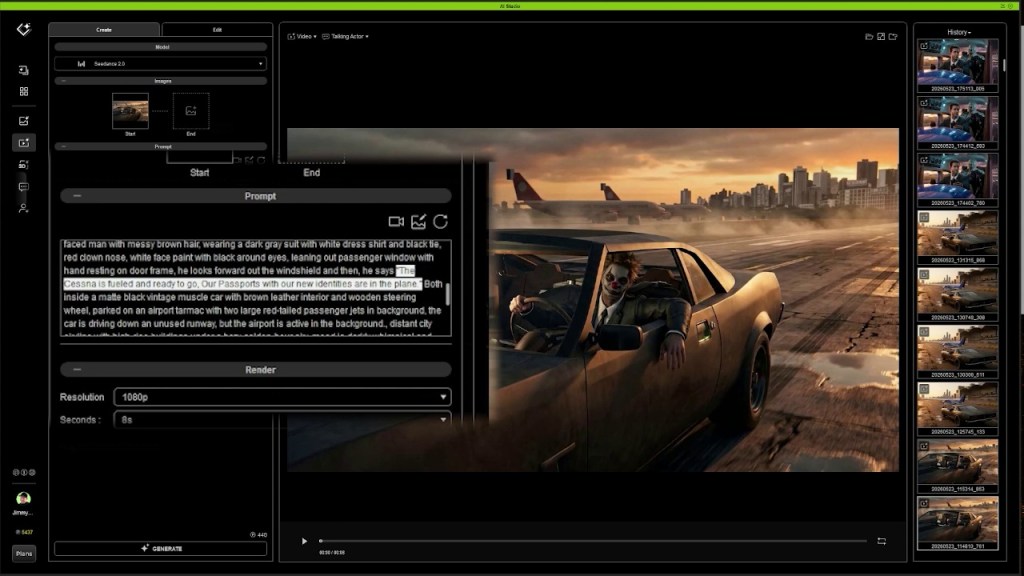
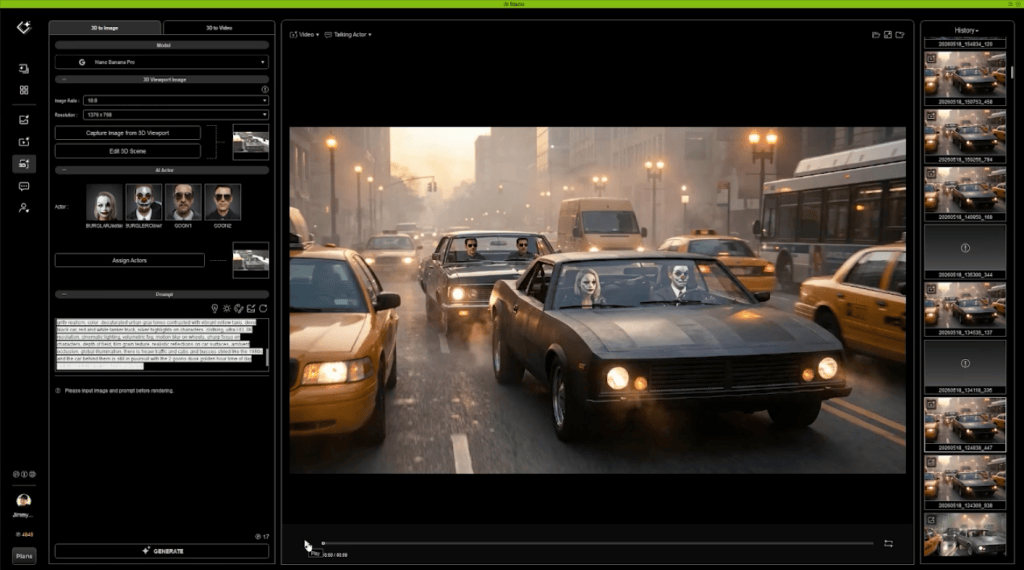
James Martin approached prompting as a directing tool rather than a creative shortcut. Instead of asking AI to invent scenes, prompts were used to communicate specific cinematic intent, including camera angles, character actions, lighting, mood, and environment.

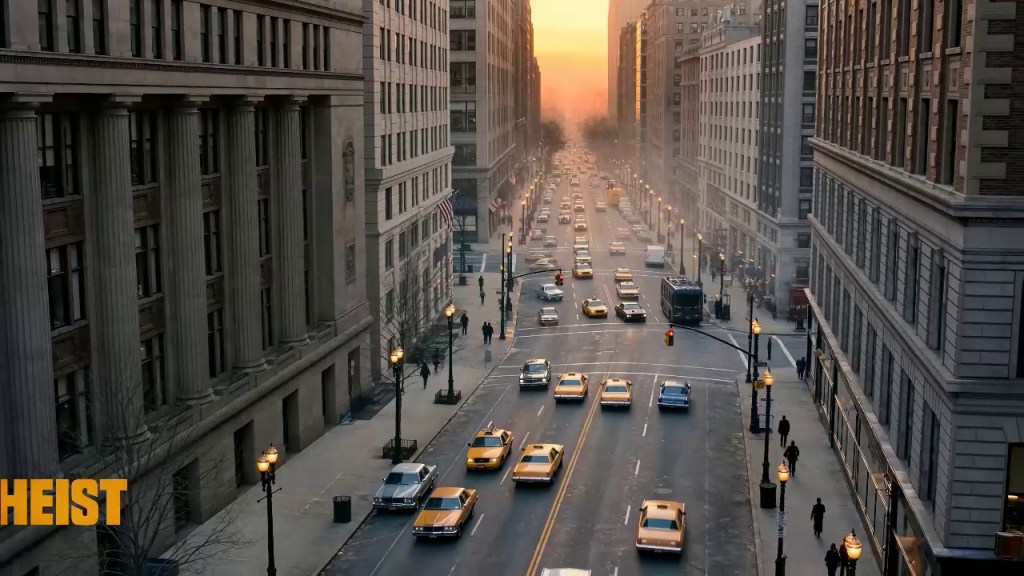
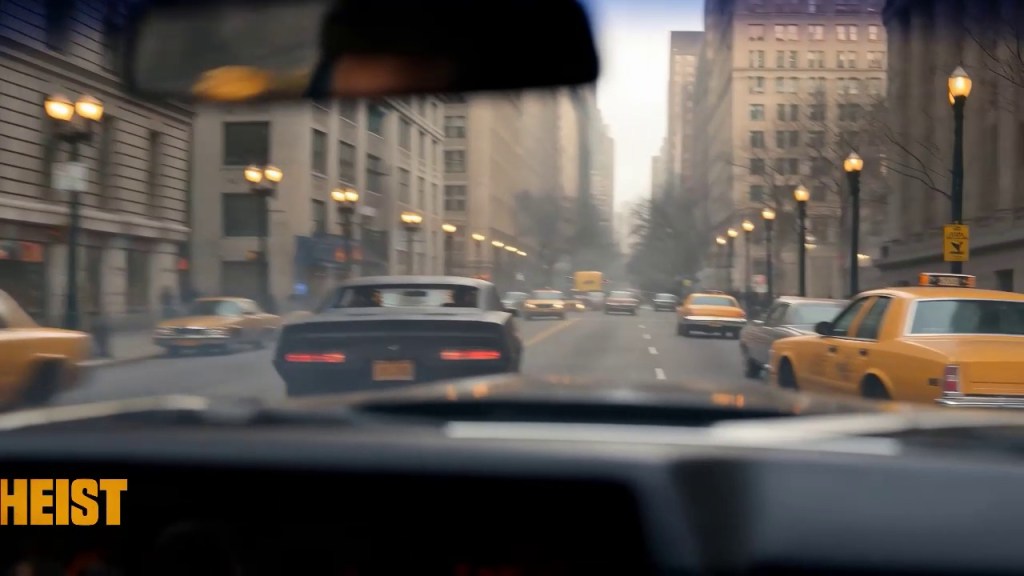
Once a visual direction was established, prompts evolved through small refinements to maintain consistency across shots. By defining characters and story context before generation, prompts could focus on the scene itself, resulting in stronger continuity and a more cohesive visual narrative. For HEIST, successful prompting was not about writing longer prompts. It was about providing clear direction and using AI to execute a filmmaker’s vision.
Why It Matters
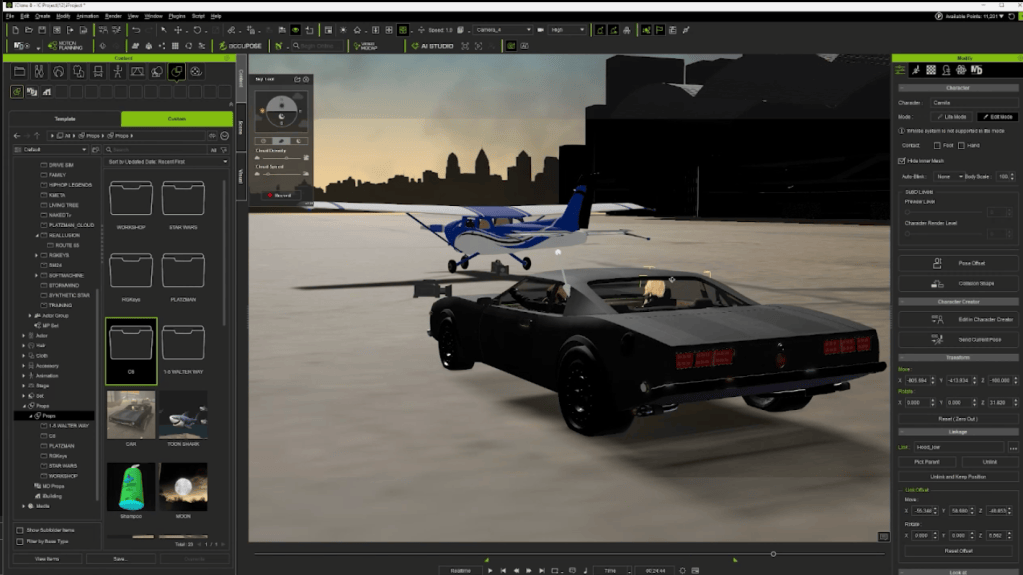

As AI filmmaking evolves, the most successful productions will not simply generate images. They will apply the same storytelling principles that have guided cinema for generations.
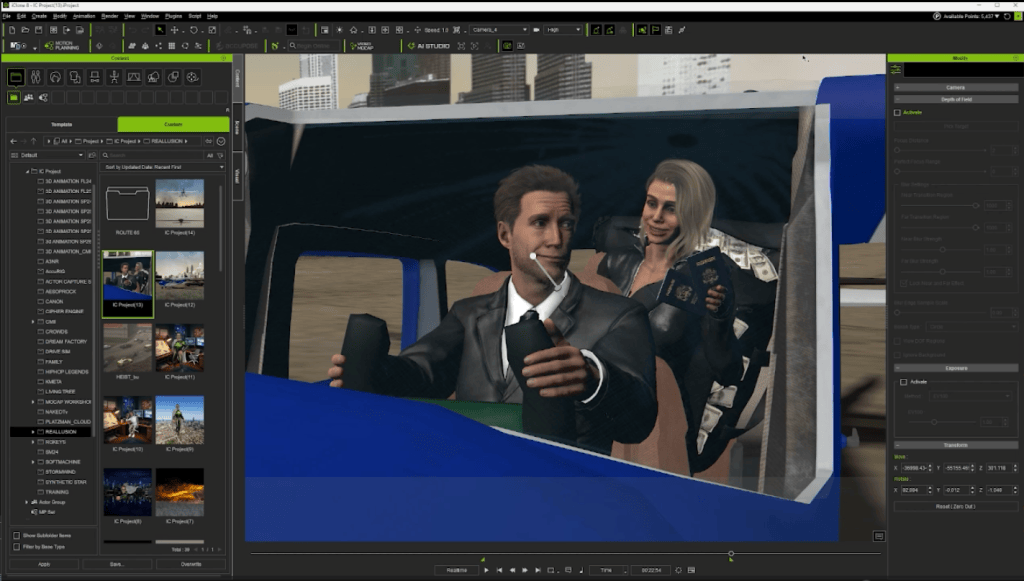

HEIST demonstrates that the future of AI filmmaking is not prompt versus production. It is a production enhanced by AI.
By leveraging Character Creator, iClone, and AI Studio, filmmakers can build stories with the structure of traditional filmmaking while taking advantage of the creative possibilities offered by generative AI.
The result is a new production model where 3D becomes the director’s language, AI becomes the camera, and storytellers maintain creative control from the first shot to the final frame.
AI Studio Storytellers
AI Studio Storytellers highlights creators who are pushing the boundaries of modern filmmaking through Reallusion’s AI Studio workflow. Through behind-the-scenes breakdowns, production insights, and real-world projects like HEIST, the series explores how filmmakers are using 3D, AI, and virtual production techniques to create the next generation of cinematic storytelling.
Professor James C. Martin is a motion capture specialist, AI Storyteller, and Technical Director at Actor Capture, as well as Professor of Practice at Georgia State University’s Creative Media Industries Institute (CMII). With over 20 years of experience, he has contributed to projects including The Suicide Squad, Lyle, Lyle, Crocodile, Creed III, and The Electric State. A Reallusion Certified Trainer, Martin specializes in motion capture, virtual production, digital humans, real-time animation, and generative AI workflows. In 2026, he was a featured presenter at the CMII AI Symposium and a panelist at the Alt Era AI Summit and Film Festival, discussing AI in education and storytelling.

Related Posts
- Reallusion Unlocks Limitless Creation: iClone Personal Debuts Alongside AI Studio Official Launch
- AI Studio Storytellers: Space Rocks – Sci-Fi Filmmaking with Consistent AI Actors
- AI Studio Storytellers: Re-inventing Graphic Novels with Hybrid 3D-to-AI Workflows


1 comment
Great article and workflow. I’m an AI filmmaker and scholar and look forward to seeing more of your work.