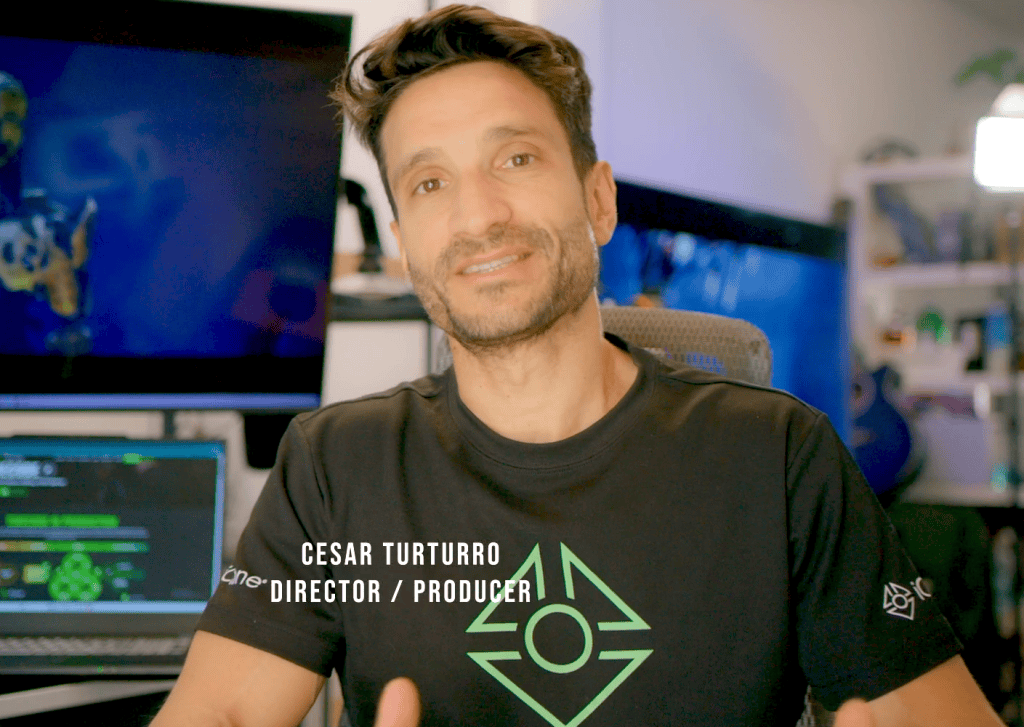
Cesar Turturro
Cesar Turturro, award-winning film director and recipient of the 2022 Epic MegaGrant, is pushing the boundaries of hybrid filmmaking with his latest innovations. Known for blending live action with virtual production in projects like Nick 2040, Turturro masterfully combines Character Creator for realistic characters, iClone and ActorCore for dynamic fight choreography, and Unreal Live Link for instant visualization.
In his latest workflow, he harnesses the power of timecode to synchronize performances across DaVinci Resolve, Axis Studio, iClone, and Unreal Engine—bridging cinematic realism with digital worlds. This pioneering approach shows how Reallusion tools empower filmmakers to achieve seamless, iterative, and cinematic storytelling.
Bridging Live Action and Virtual Worlds
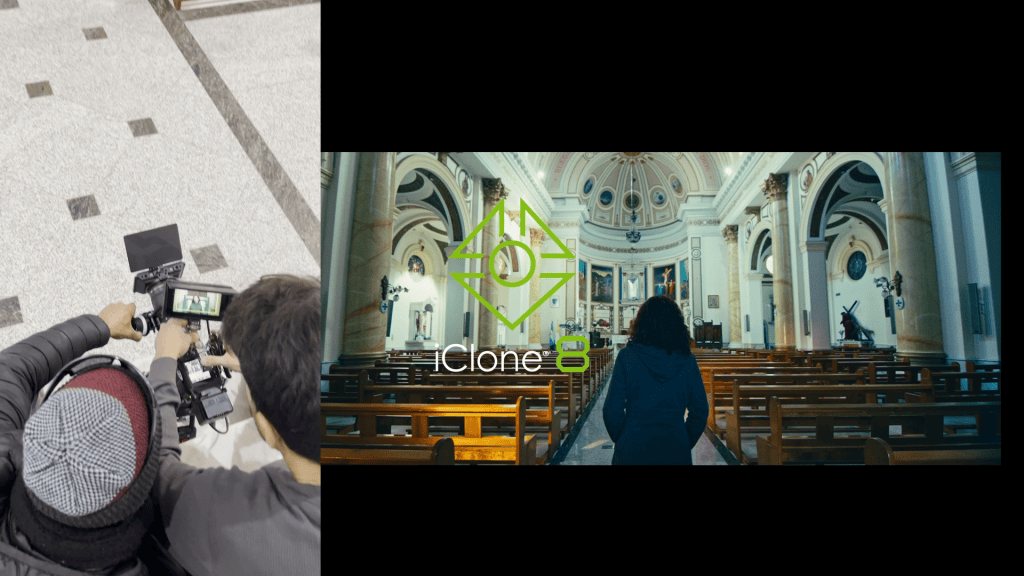
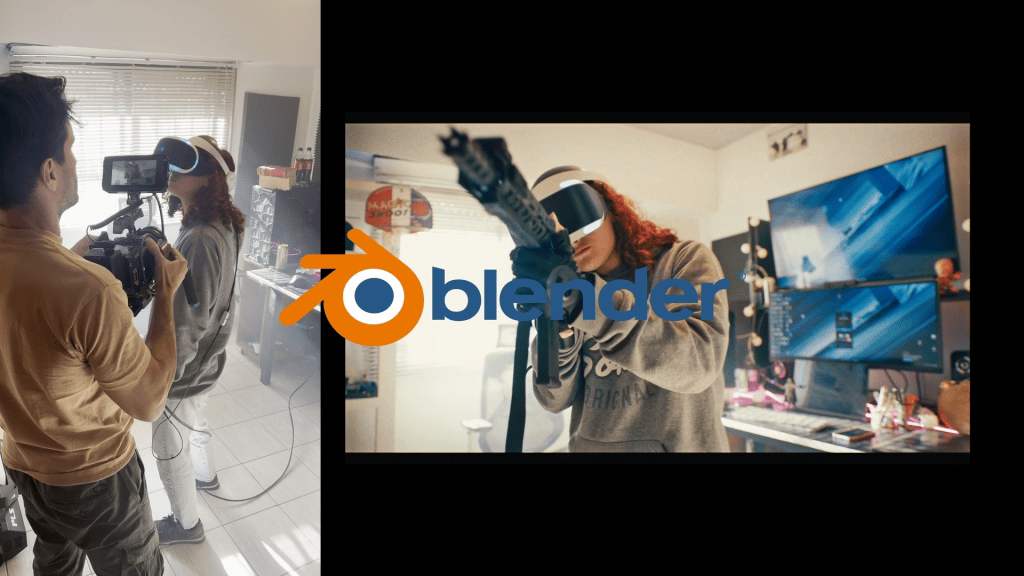
As always, it all started with the script. Once the story was ready, we shot in my hometown, Bahía Blanca, Argentina, with a live-action character who would later interact with a video game. The short film narrative alternates between the real world and the virtual world, where a key dialogue unfolds between two characters.
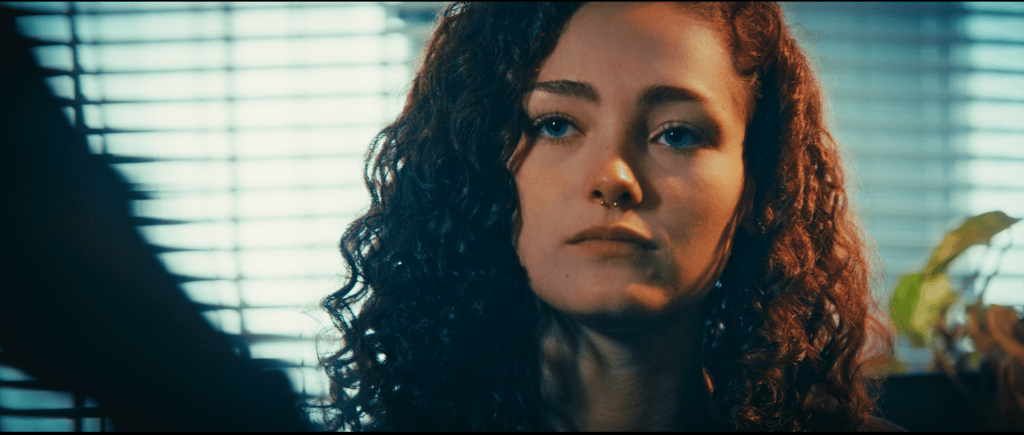
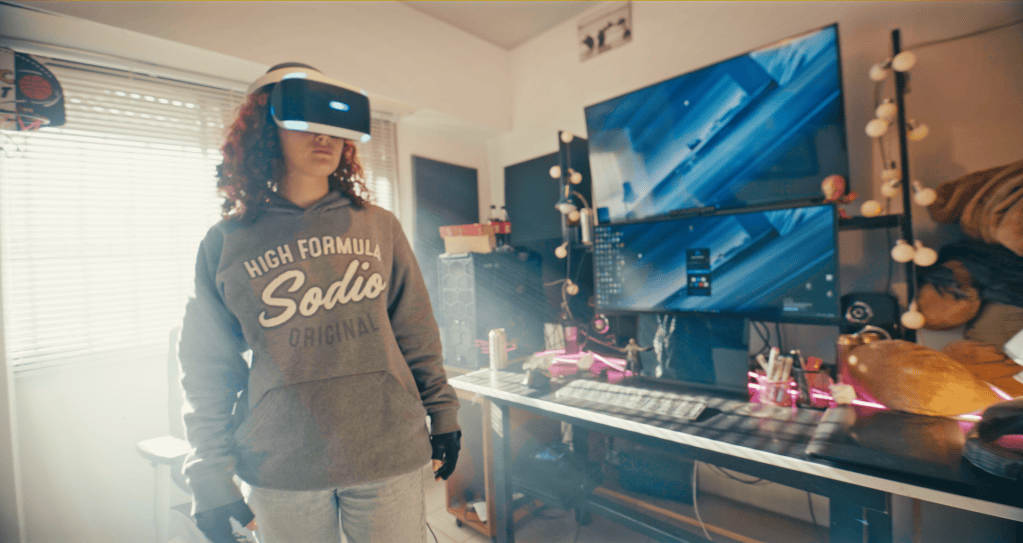

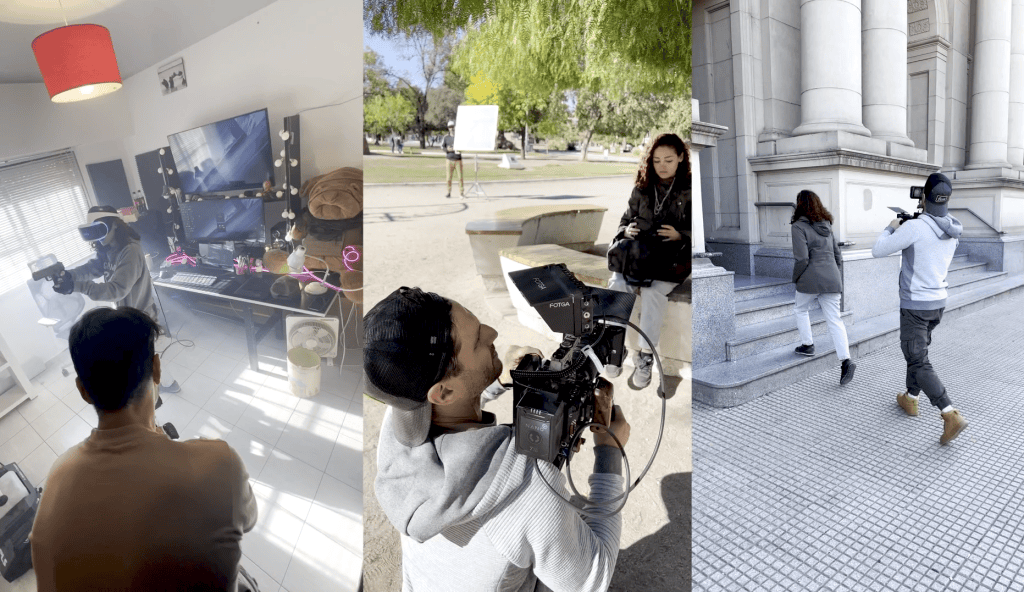
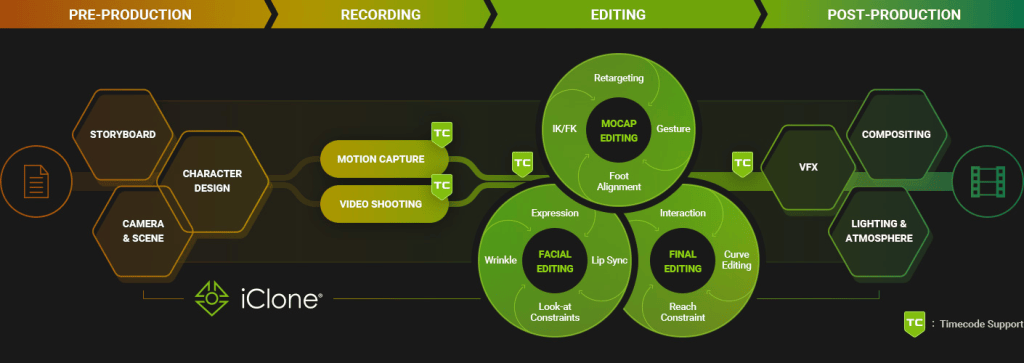
The main challenge was ensuring both worlds blended seamlessly. To achieve this, I designed a technical workflow based on timecode, which allowed me to maintain perfect synchronization from live-action footage to final animation in Unreal Engine using the new iClone Timecode plugin.

The iClone Timecode plugin allowed our studio to sync our content, providing character motion editing, along with frame-accurate alignment of motion, video, and audio in animation and VFX.
Audio and Timeline Preparation
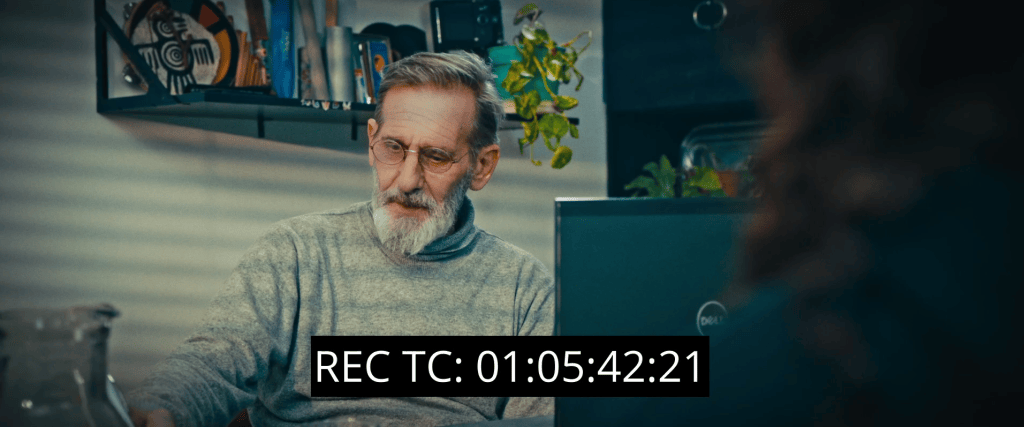
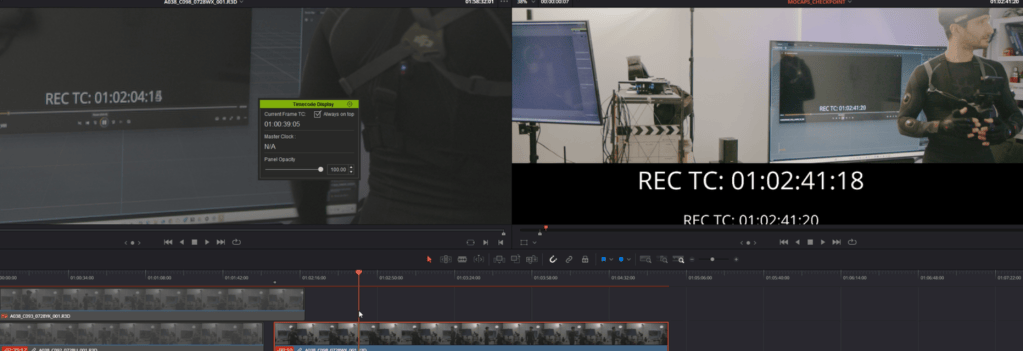
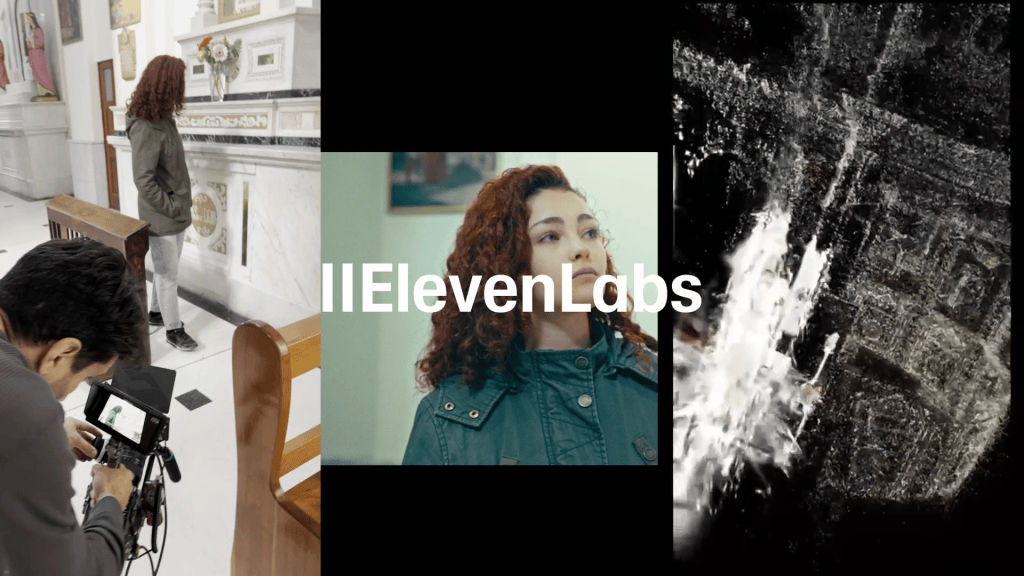
The first step was generating the character voices using Eleven Labs (AI). I imported them into DaVinci Resolve and built the master timeline with its embedded timecode. This became the backbone of the project: every subsequent step would align with this temporal reference.

Synchronized Motion Capture
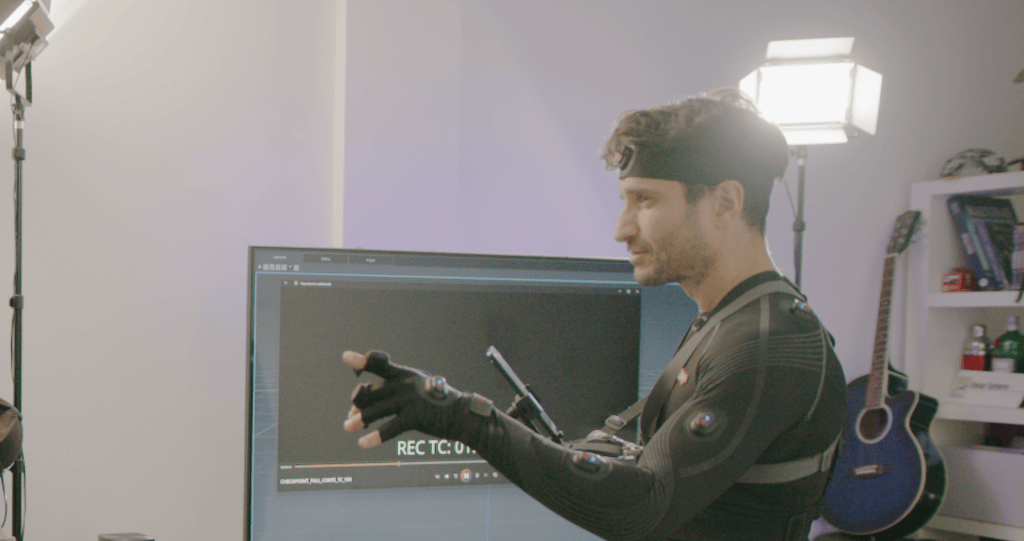
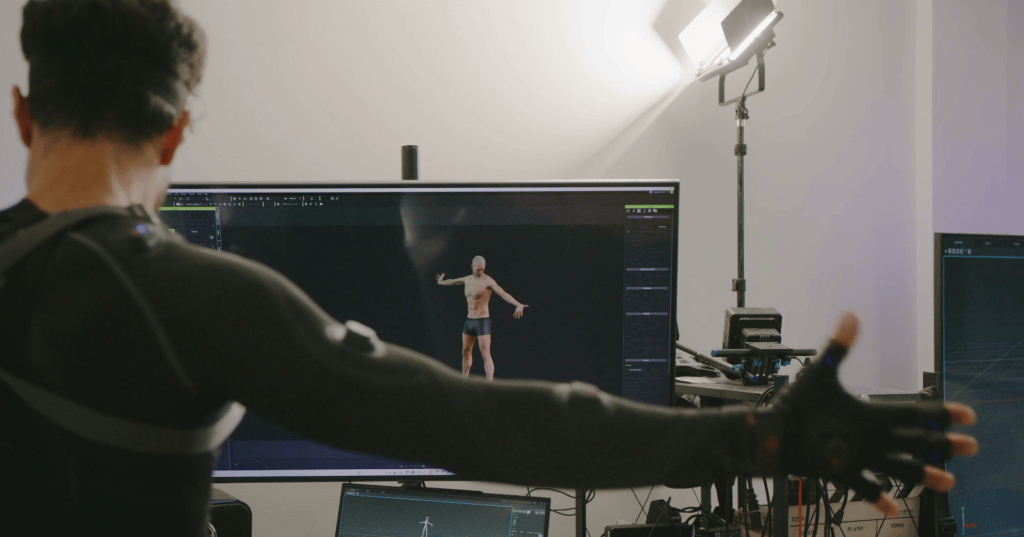
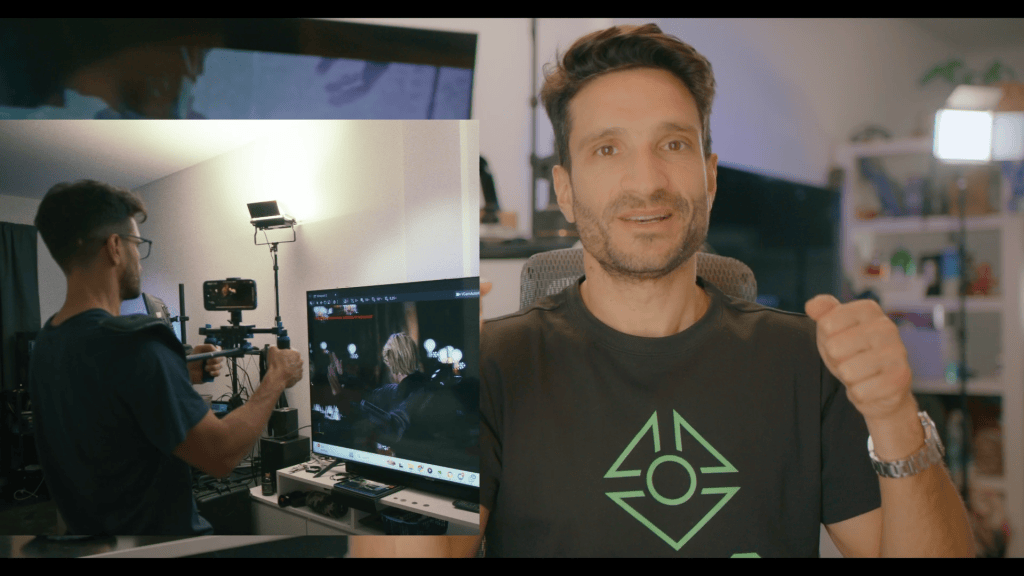
Next came motion capture. Using Axis Studio, I placed the short film video with its timecode on my screen while performing the actions of both characters.
This way, I followed the recorded voices in real time, ensuring every gesture matched the dialogue precisely. The result was clean motion data with no need for post-synchronization fixes.
Integration in iClone
With the mocap data ready, I moved into iClone. There, I loaded the characters, animations, and the reference video—again using the same timecode from DaVinci.
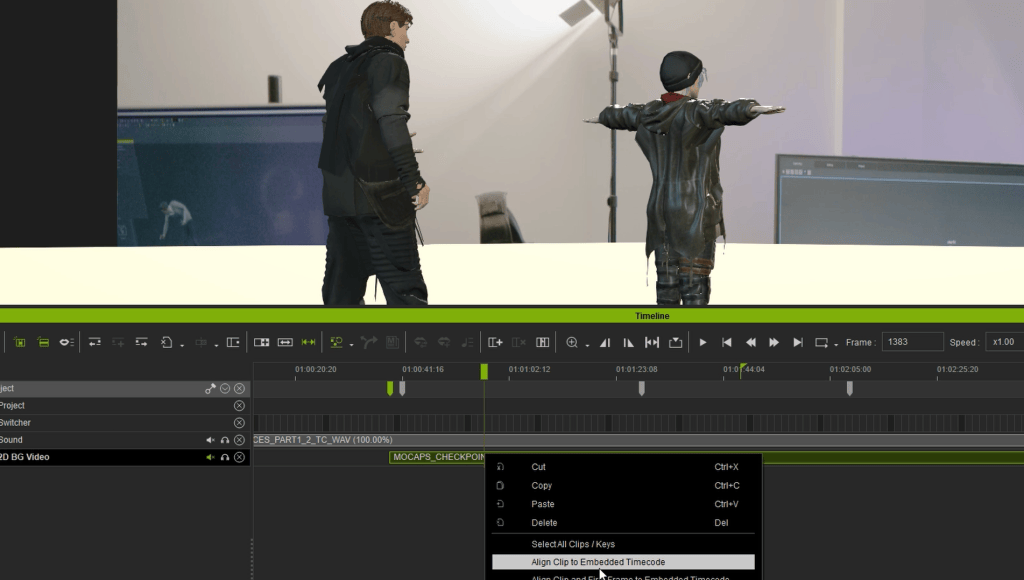
Thanks to iClone’s timecode plug-in, I achieved frame-accurate synchronization. Once aligned, I exported the animations as FBX files with embedded timecode for the next stage.


Virtual Filming in Unreal Engine
The assets were then brought into Unreal Engine (Sequencer), where I imported the FBX animations along with the original audio tracks. I generated the lip sync and began the process of virtual cinematography.
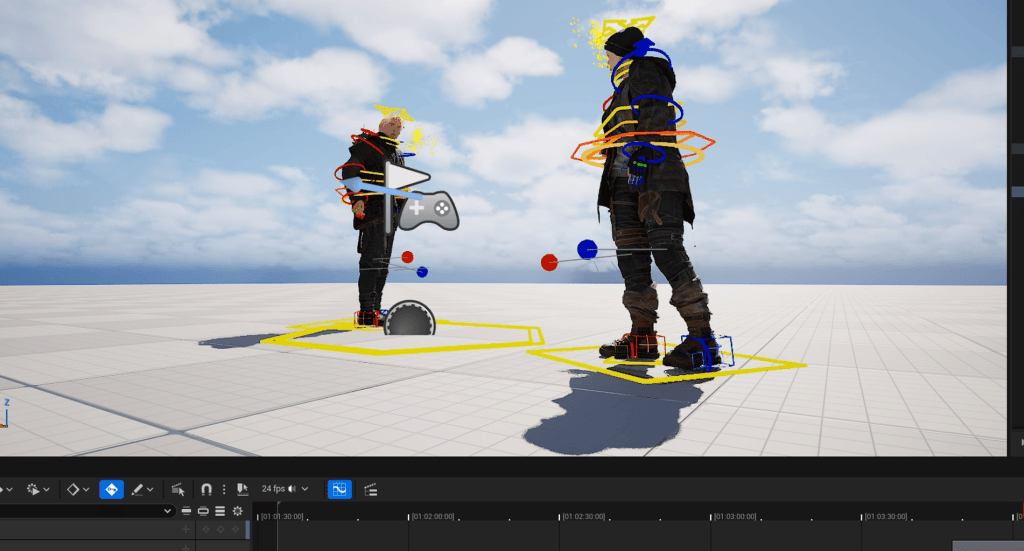
For the camera work, I used my phone as a virtual camera controller. This gave me the freedom to operate shots in a handheld style, producing a natural, cinematic look that closely resembles live-action camerawork.

Photogrammetry and Environment Accuracy
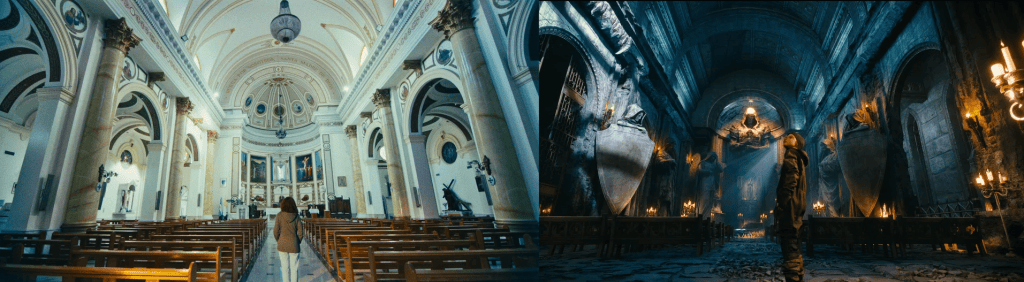
To further strengthen the connection between live action and the virtual world, I used RealityCapture to scan the architecture of the church featured in the story.
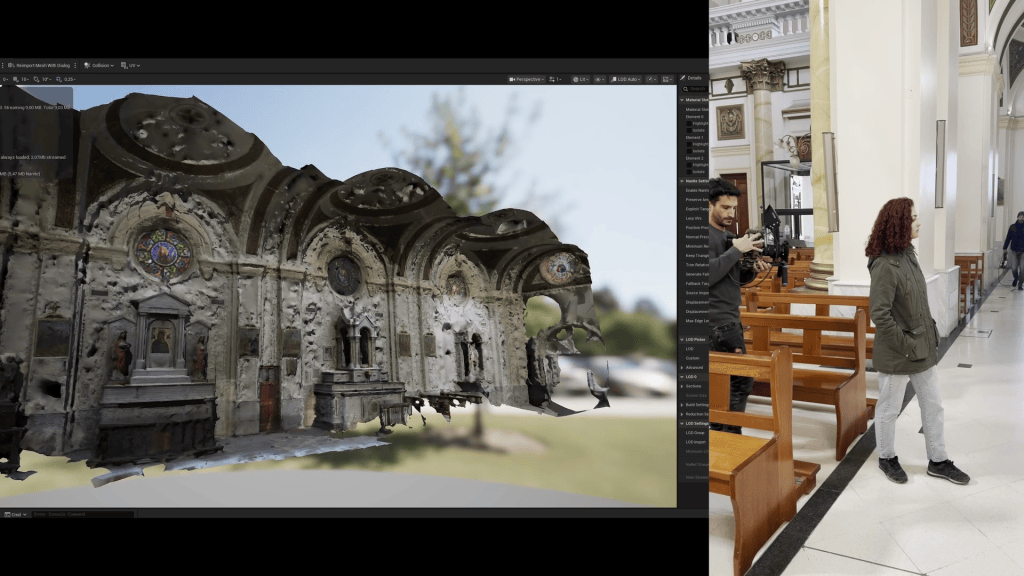

Since the narrative brings both realities together inside this location, recreating it exactly as it is in Unreal was essential. This process allowed me to ensure that the characters in the real footage and the ones inside the video game world shared a perfectly consistent environment, both visually and structurally.
Final Assembly in DaVinci Resolve
Finally, everything returned to DaVinci Resolve, where the live-action material and animated sequences were unified. One of the biggest advantages of this pipeline is its iterative flexibility: if I need to correct an animation, I simply adjust it in iClone, re-export with timecode, and it automatically aligns in Resolve without any manual re-synchronization.
Conclusion
This workflow—integrating DaVinci Resolve, Axis Studio, iClone, Unreal Engine, Blender, and RealityCapture—highlights the importance of using timecode as the central backbone of hybrid productions. It not only guarantees synchronization accuracy but also streamlines corrections and enables a smooth, iterative process.
For a director who is also both an animator and a technical artist, tools like Character Creator and iClone, combined with Unreal, provide an ideal ecosystem: flexible, efficient, and perfectly suited for projects where the real and the virtual must coexist without friction.



Follow Cesar Turturro
Instagram https://www.instagram.com/ceturtu/
Facebook https://www.facebook.com/cesar.turturro/
YouTube Channel https://www.youtube.com/@INVASION2040
Related Posts
- iClone 8.53: Advanced Sync For Professional Mocap Workflows
- Pro-Level Mocap Sync: Stream Vicon in iClone for Real-Time Animation
- HaZ Dulull Reviews iClone’s Game-Changing Timecode Plugin
- iClone Timecode Briefing: Powering Efficient Rokoko Mocap with Unreal Pipelines